Plans for Norwegian Deep-Sea Mining Put on Hold – ‘Potential disaster averted’
Norway had plans to start deep-sea mining for rare minerals. Now the project has been put on hold until 2029.
Text: Arvid Wiclander Mellgren
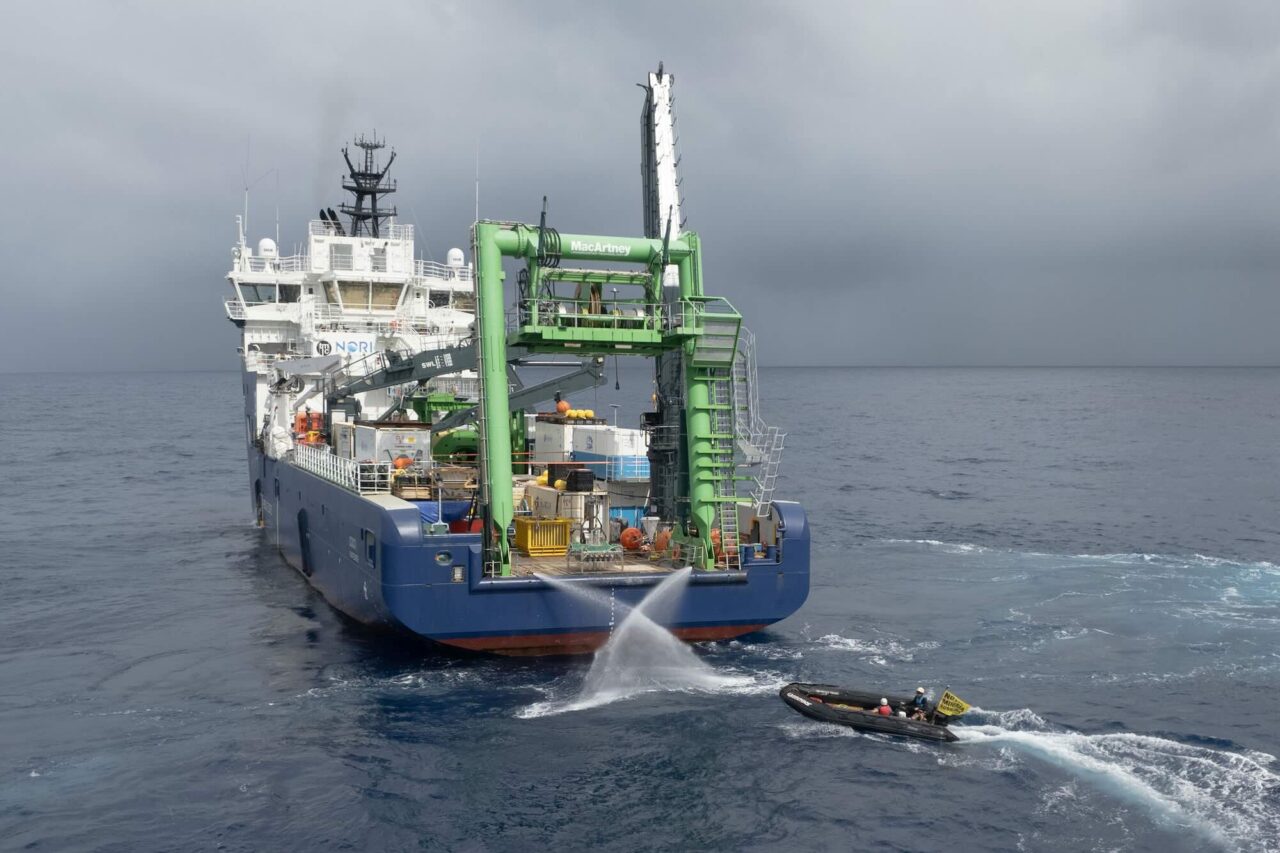
Copper, cobalt and zinc are some of the minerals believed to be efficiently extractable from seabed mining. Norway has had plans to invest in the industry, which has been criticised by environmental organisations and researchers worldwide. There are still no active industrial deep-sea mines, but many companies see it as a profitable opportunity. In Norway, it has been called ‘the new oil’.
Until a year ago, Norwegian politicians were working to develop and invest in deep-sea mining in the Barents Sea and the Greenland Sea. Then the plans were put on hold.
Following the election earlier this autumn, it is now clear that all plans to explore and develop deep-sea mining will be put on hold again, this time for the entire term of office, i.e. until 2029. After lengthy negotiations, the state budget has now been approved by all parties in the government coalition and therefore does not include any plans for mining in the sea.
‘There will be no mining on the seabed during this entire term of office. We have prevented a potential, gigantic natural disaster – and instead chosen to protect life in one of the most vulnerable ecosystems we have: the sea. This is a big deal,’ says Ingrid Liland, spokesperson for fiscal policy for the Norwegian Green Party, in a press release.
Deep-sea mining has been found to be devastating to the marine environment in several ways. Mining disturbs the habitat of bottom-dwelling species, causes sediment clouds higher up in the water and releases pollutants. In addition, it can release large amounts of carbon dioxide stored at the bottom, which would accelerate climate change.
About Deep Sea Reporter: Our ambition is to examine and report on issues related to the sea and the life that exists beneath its surface. We operate in the public interest and are independent of political, commercial, and other interests in society.