Swedish Company Interested in Extracting Metals from the Seabed
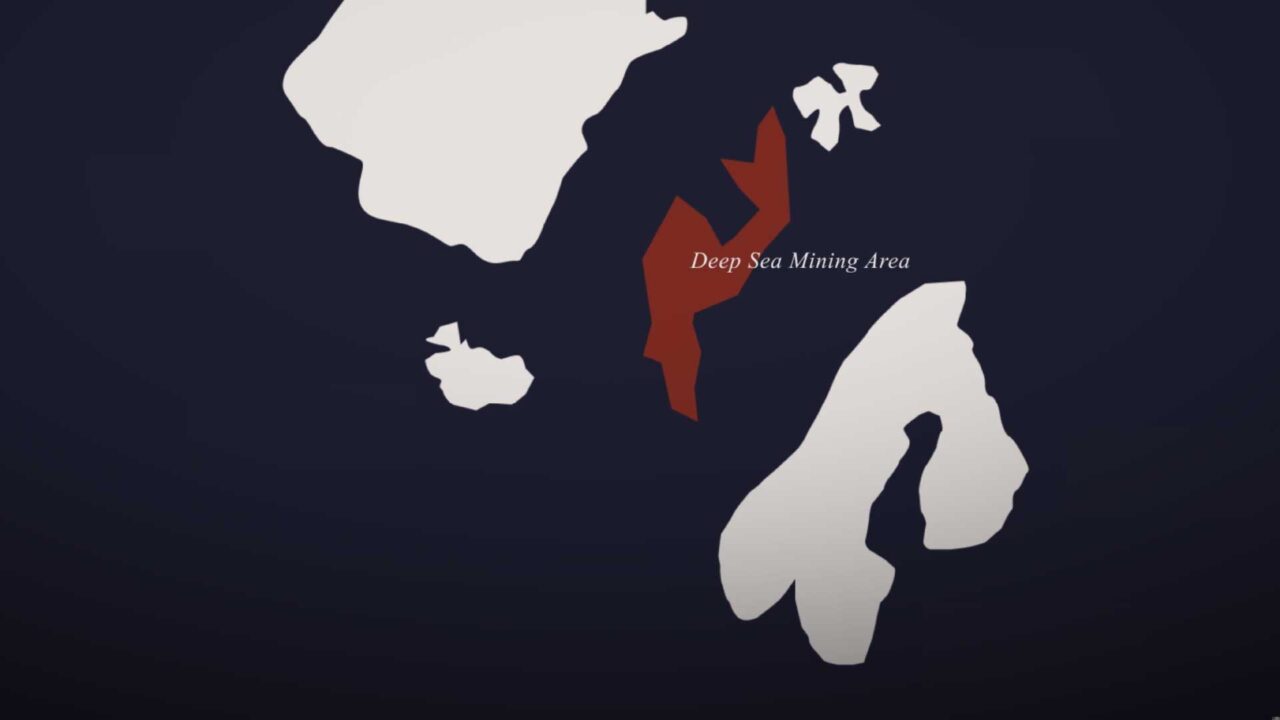
Several countries, including Sweden, have criticized Norway’s plans for deep-sea mining. However, a Swedish company has now been granted permission to explore the possibilities of extracting mineral nodules from the seabed off Skellefteå in the Gulf of Bothnia.
The mineral nodules contain metals such as iron, manganese, and cobalt, which are in high demand for the green transition. They are needed for everything from mobile batteries and electric cars to wind turbines.
Estimates show that there are around 20 million tonnes of nodules on the seabed in the Gulf of Bothnia. The company aims to extract 15 million tonnes of these over a 15-year period. But before they can harvest the nodules, they need to study how the environment might be affected.
– It’s really just a large clay field, says Peter Lindberg, CEO of Scandinavian Ocean Minerals.
Nodulerna har bildats under tusentals år genom att metalljoner följer med älvarna som rinner ut i norra Östersjön. På havsbotten har metalljonerna samlats runt små sandkorn och byggts på under lång tid och växt till några centimeter stora kulor.
In the next section, we ask scientists what they think the extraction would do to the Baltic Sea environment.