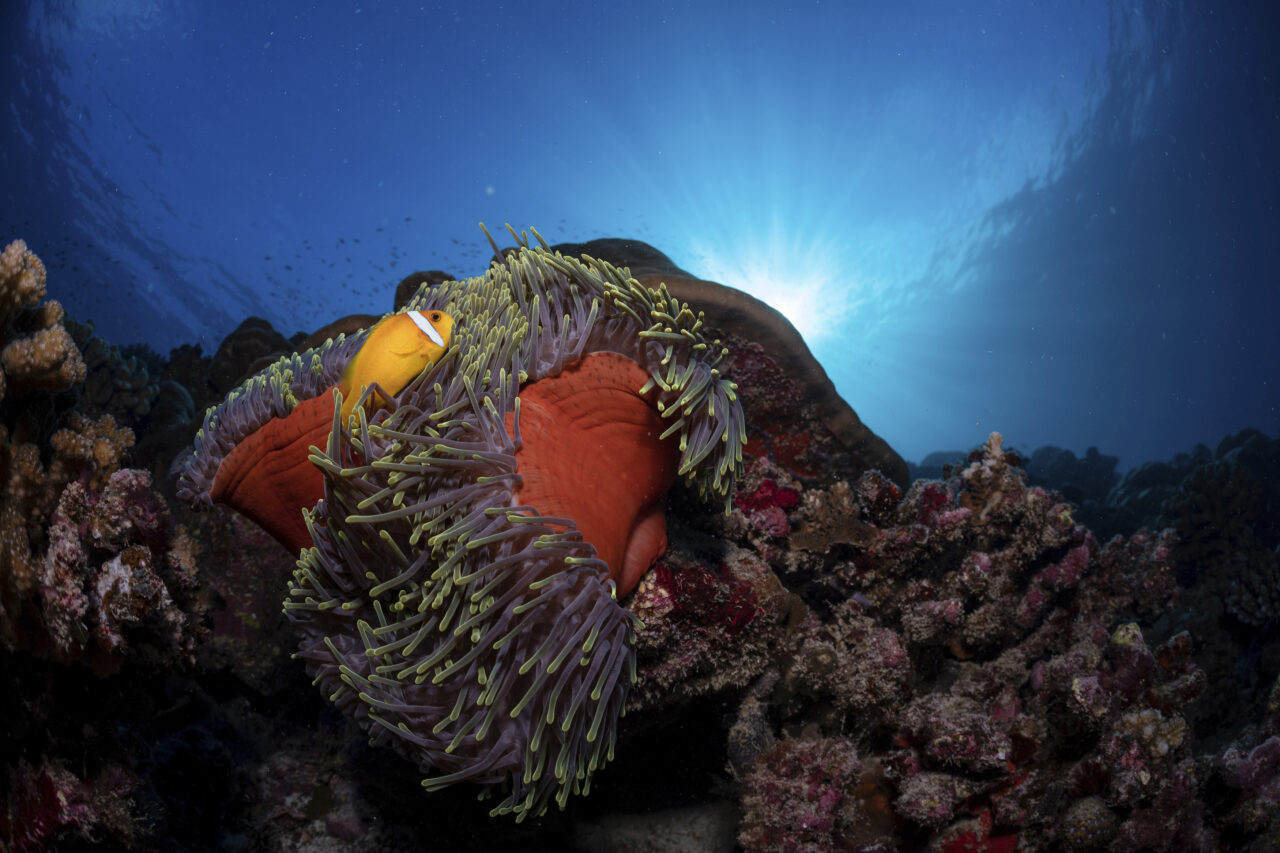
Humans affect the earth's climate and ecosystems to such an extent that we now risk the stability of the entire planet. That is the message of a new report. The researchers compare the planet to a multi-disease patient, whose various diagnoses affect each other.
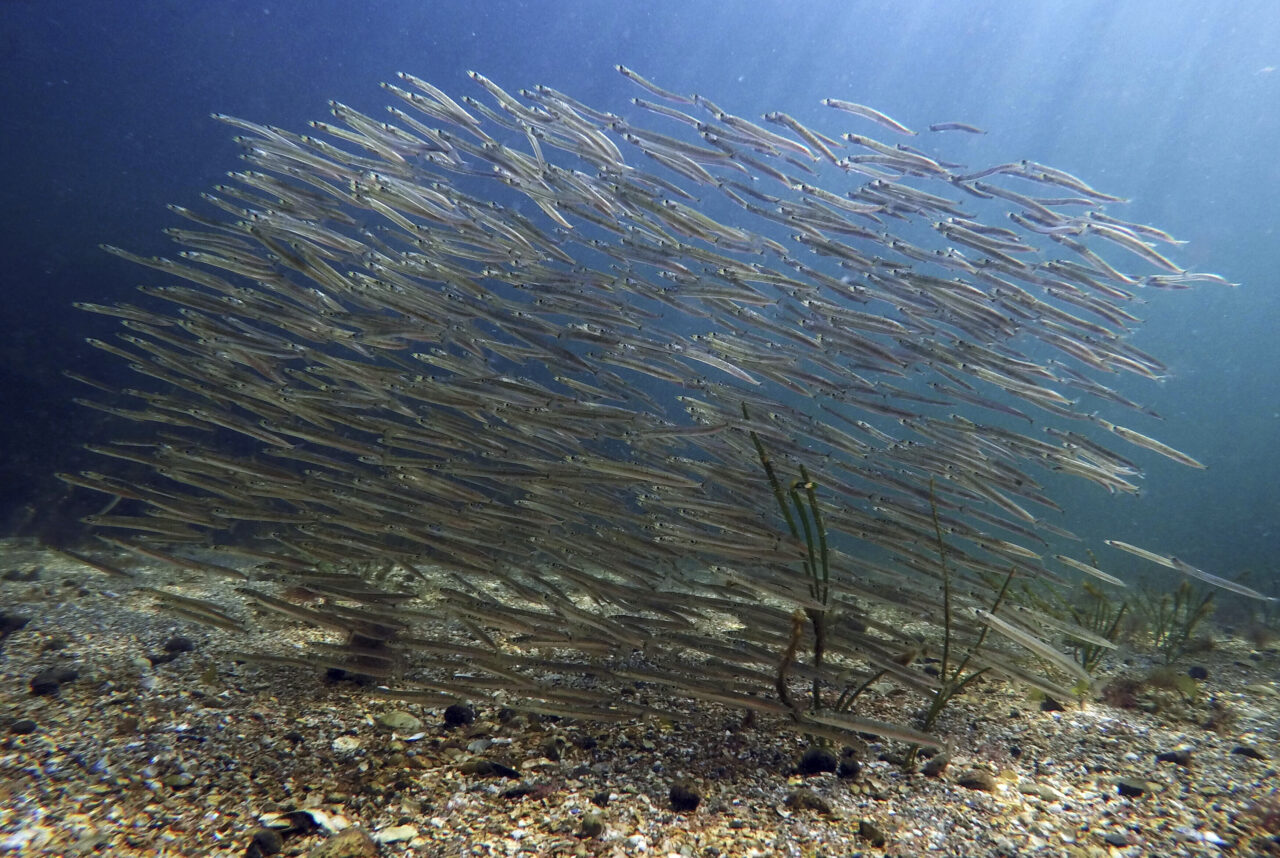
The fish in the oceans have shrunk - but at the same time have become more numerous, shows a new global study. This suggests that nature compensates so that the weight of all life is kept stable, the researchers believe. Both warmer seas and our hunger for large fish are thought to contribute.
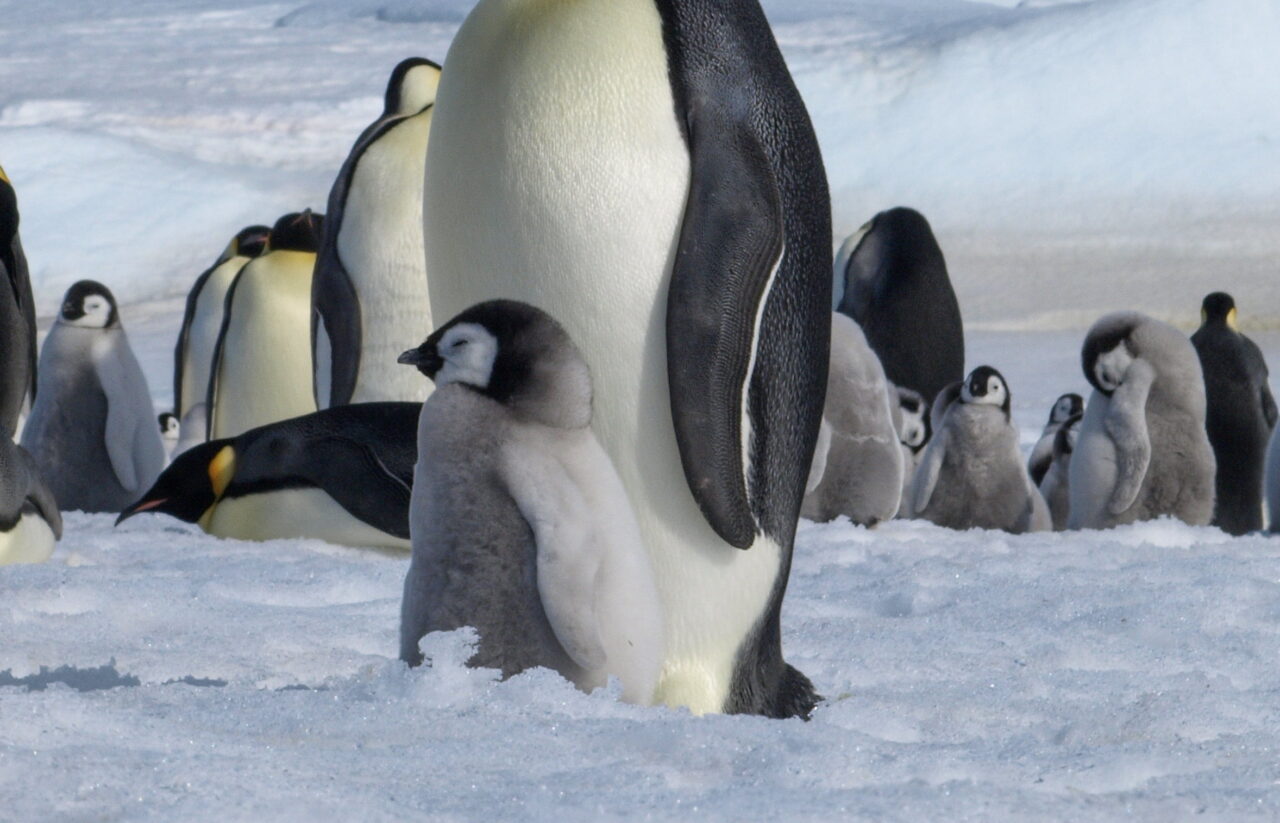
In several colonies of emperor penguins, almost all the chicks died when the sea ice in Antarctica melted last year. - They probably drowned, or floated away on ice floes and starved to death when their parents couldn't find them, says researcher Norman Ratcliffe.
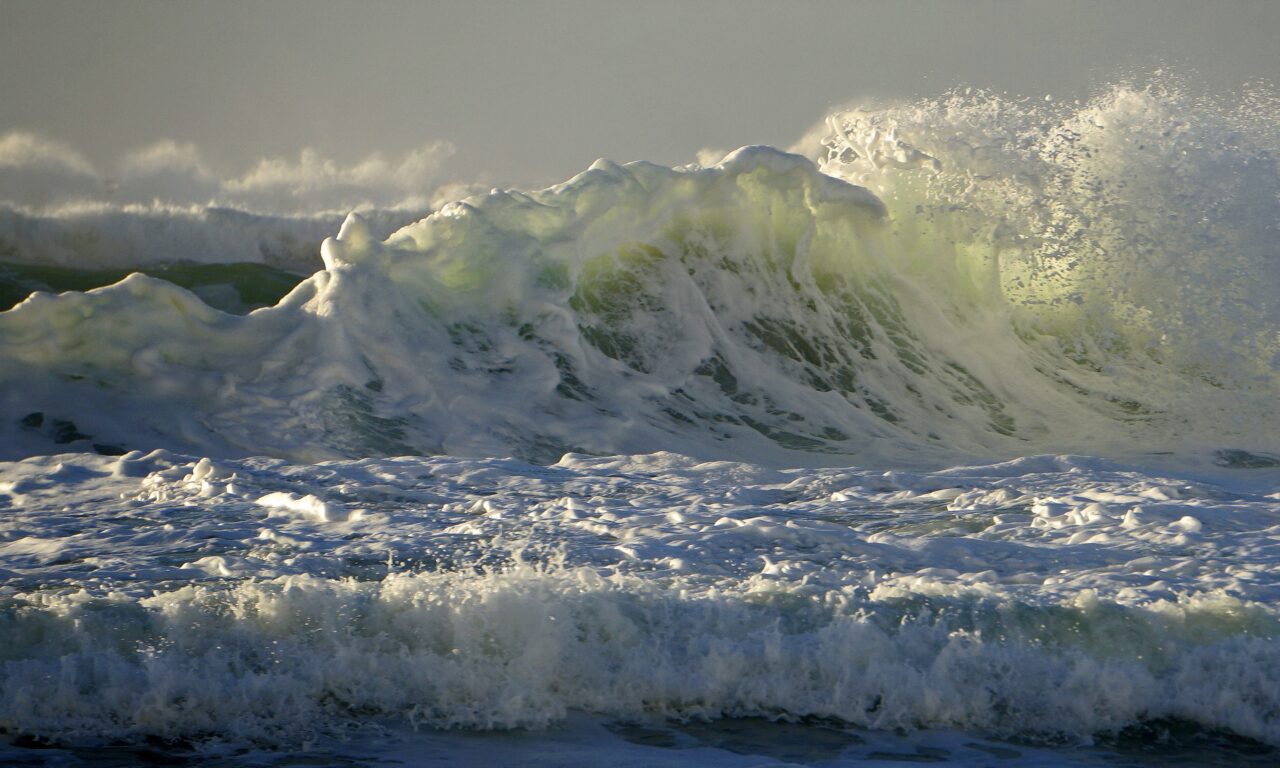
The EU's and Sweden's marine policy has for several decades led to overfished seas. Several ocean areas are on the brink of an ecological disaster. Climate change, warming and eutrophication are the result of human activities, which are dramatically changing our oceans.
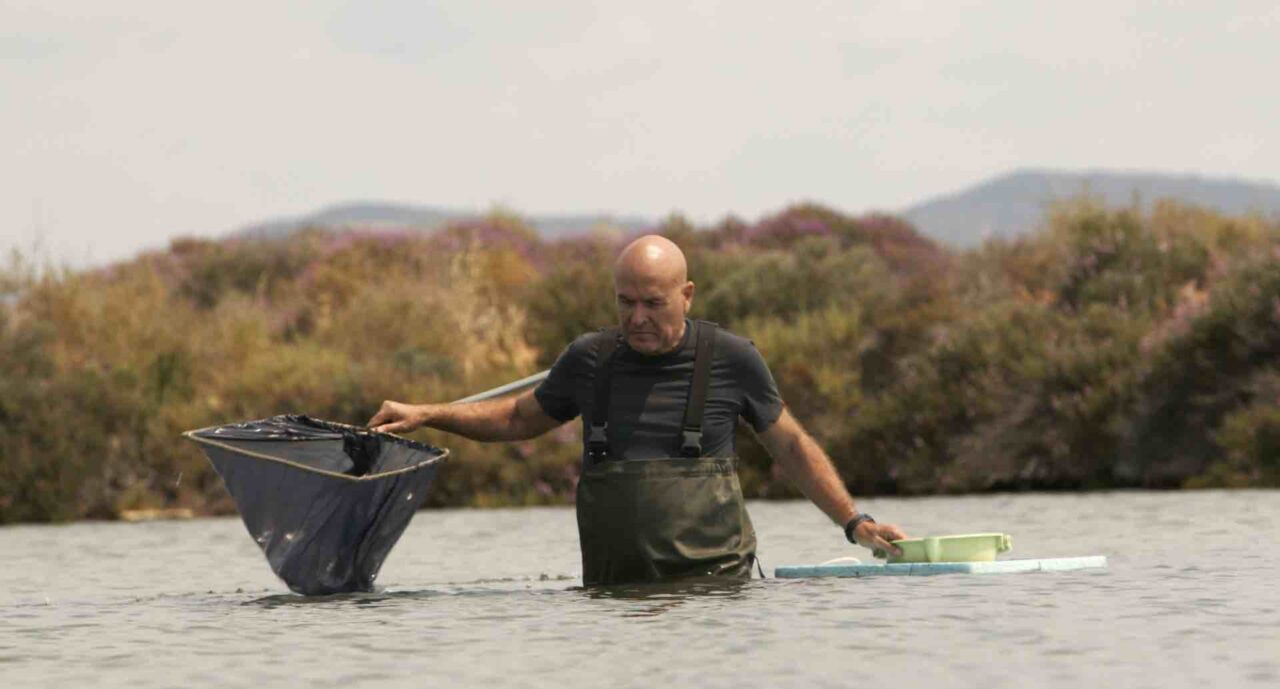
The population of seahorses in Ria Formosa in southern Portugal was probably the largest in the world. But in the mid-2010s, it collapsed, and 95% of the seahorses disappeared. Climate change, poachers, and environmental pollutants are believed to be the causes.
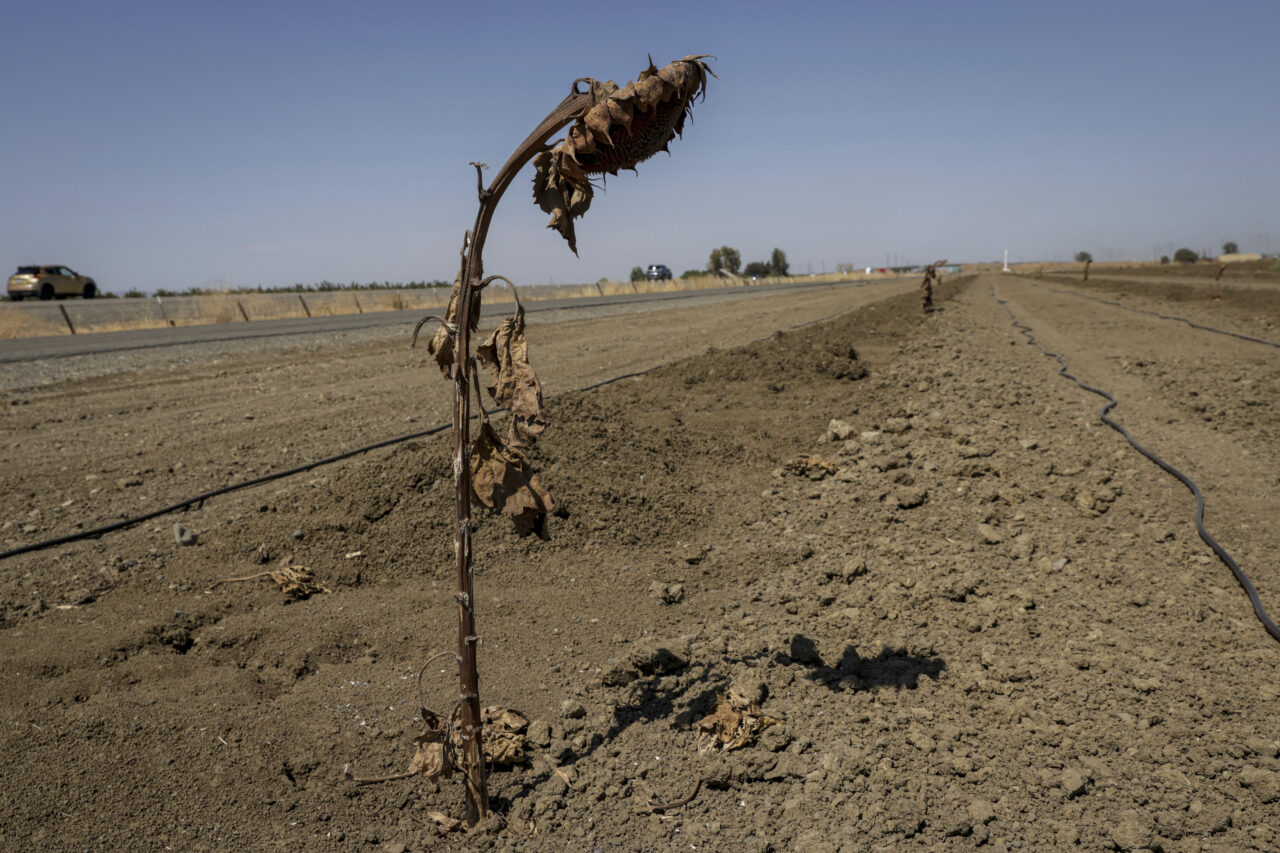
Get ready - the little guy is coming. The UN's call is about El Niño, a powerful weather phenomenon that can have devastating effects on an already warm planet.
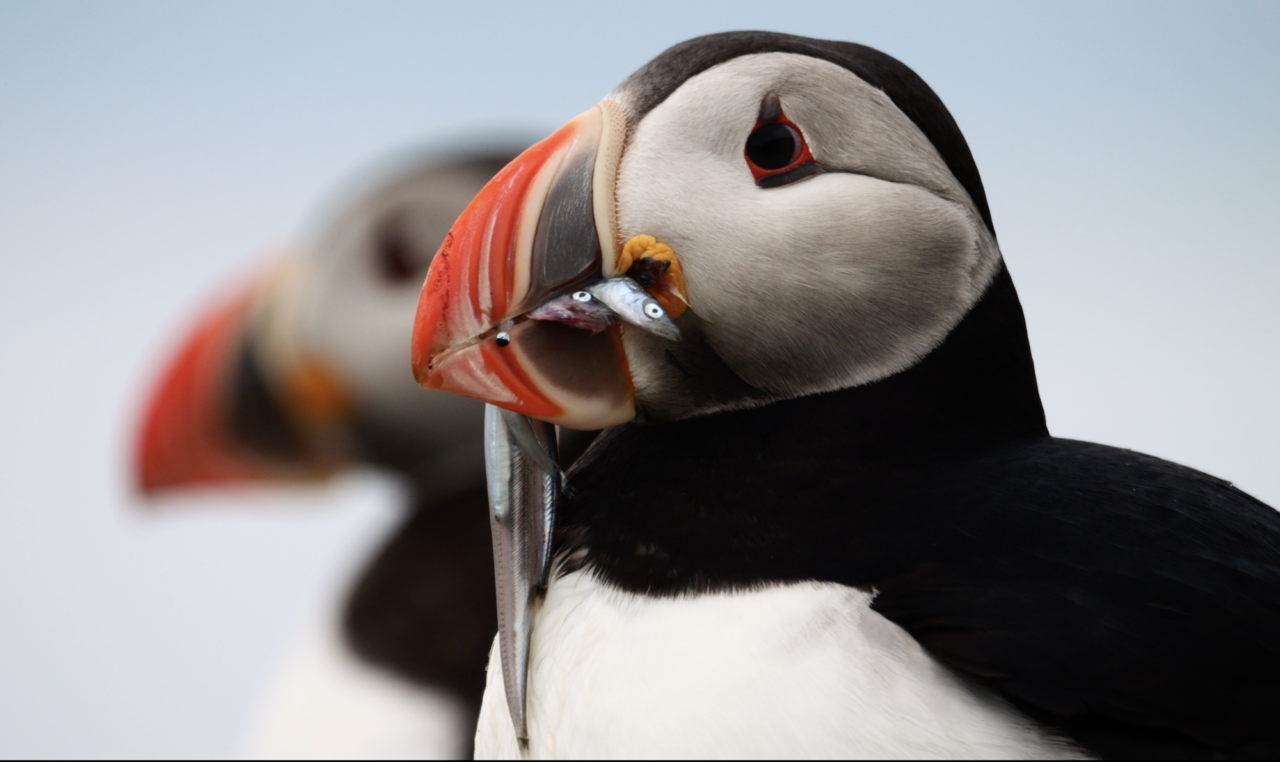
In northern Norway, a few kilometres outside the fishing harbour of Stø in the Vesterålen archipelago, lies the small, unassuming island of Anda. Small it may be, but it boasts one of the largest lighthouses on the Norwegian coast.
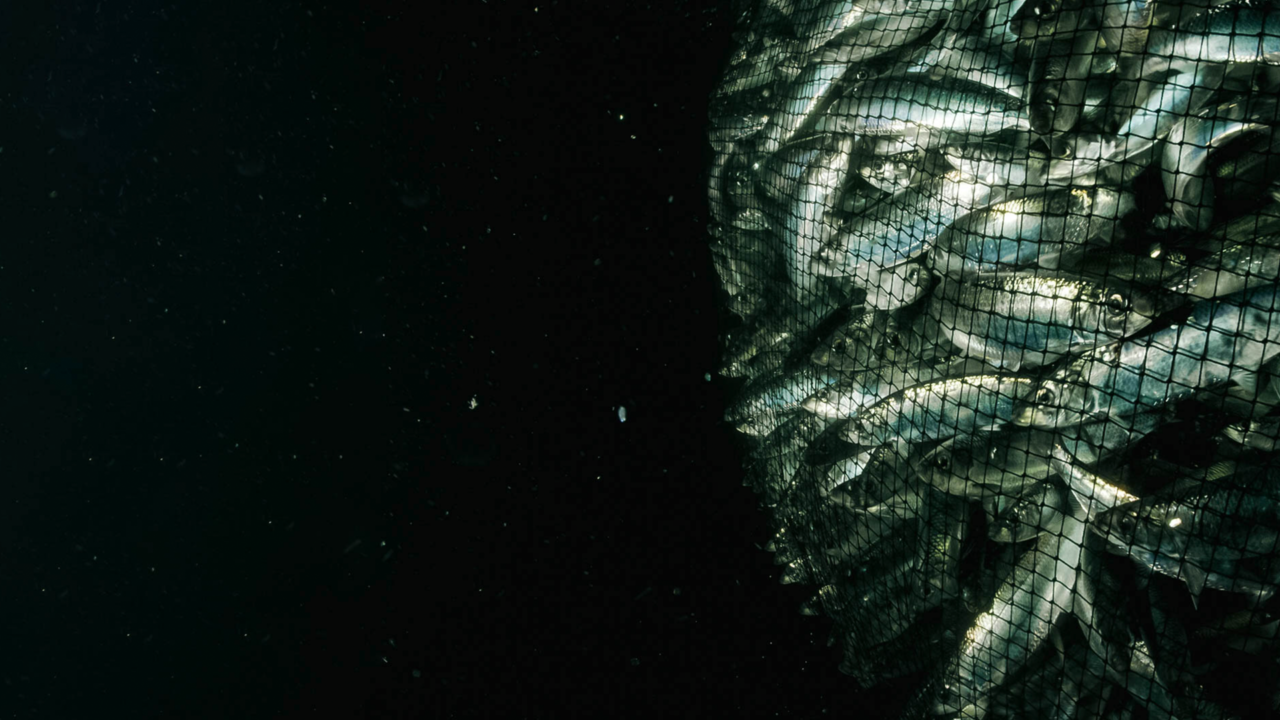
EU fisheries ministers are currently violating EU laws, yet no one has been held accountable for their actions. However, today, March 16, environmental organizations are taking the issue to the European Court of Justice, arguing that the violation of the law must have serious consequences.
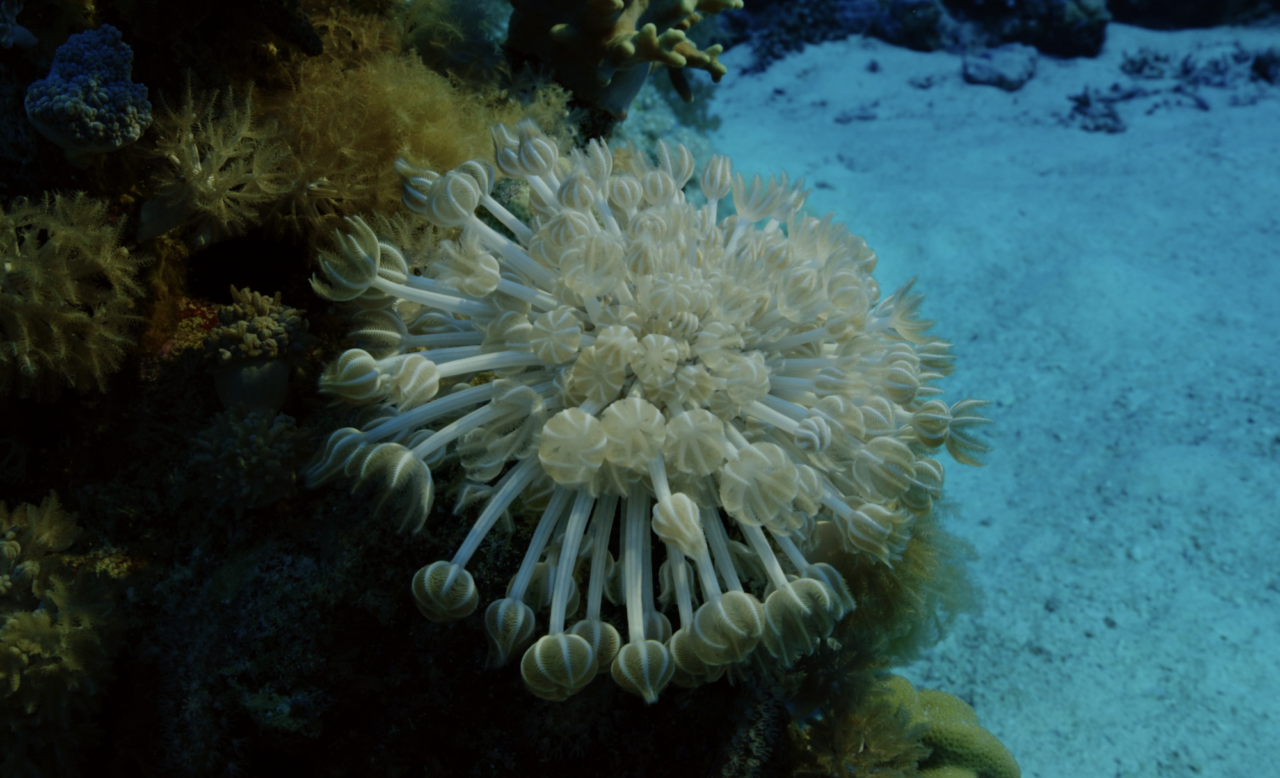
The world's coral reefs are in trouble. As the oceans get warmer, corals are stressed and eventually die. Coral scientist Tessa Hempson calls corals the "canary in the coal mine". The little bird that used to be placed far down the mine shafts, because when it died you knew the oxygen in the mine would soon run out. A whistleblower who suffers long before we humans do.

Paradise beaches with swaying palm trees and colorful fish. But also washed away villages, bleached corals and constant worry about the next alarm. On the frontline of climate change, the Pacific Islands are fighting for their future. - The world's most beautiful places can disappear, warns Mona Ainu'u from Niue.

Climate change is a major threat to coral reefs. But some coral species appear to be in a better position to withstand and survive in a warmer ocean – if global warming is limited to 2 degrees, according to a study published in the journal Scientific Reports
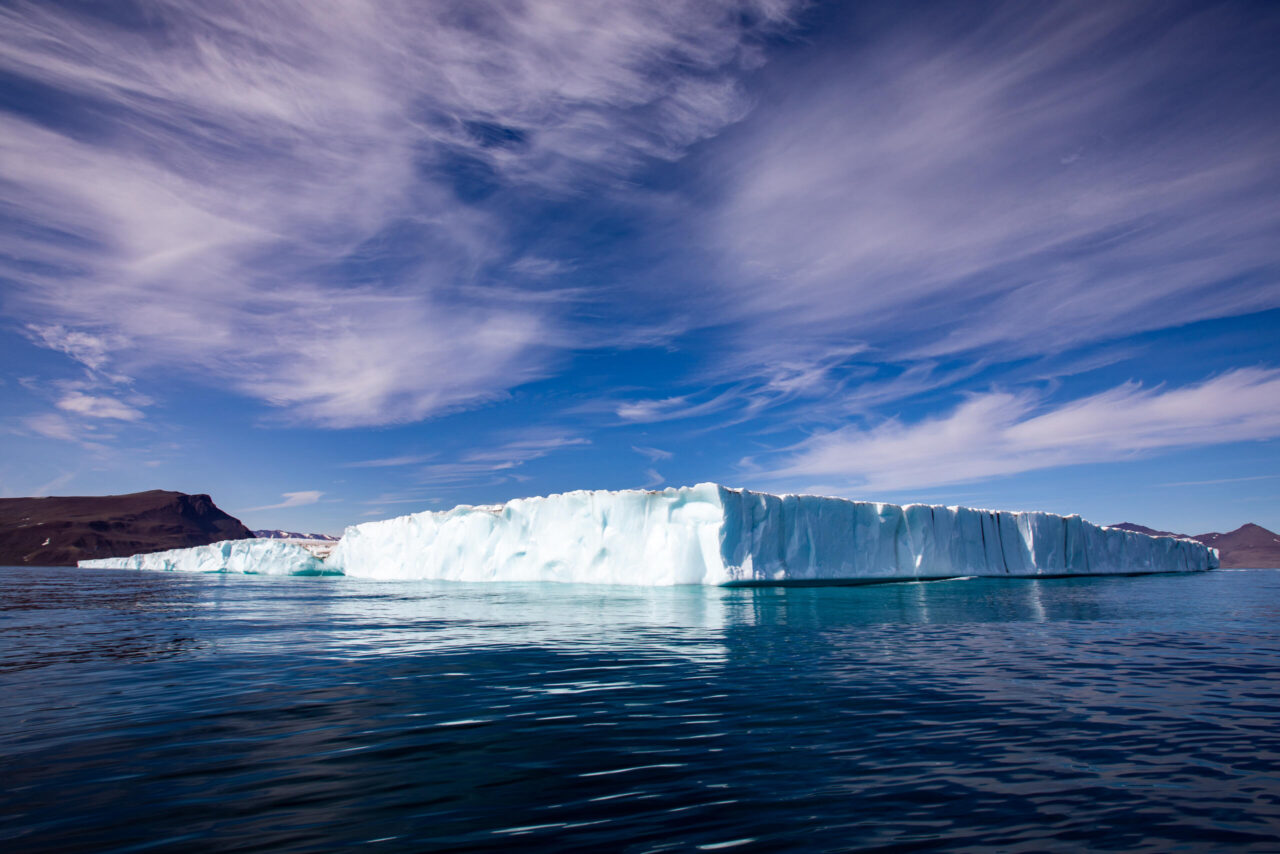
During an expedition in northeastern Greenland, we met arctic researcher Mie Winding. She studies the microscopic creatures that are necessary for all life in the oceans. Here she explains how the oceanic food chain works, and how the shrinking of the sea ice and the melting of the glaciers affect the entire ecosystem in the Arctic
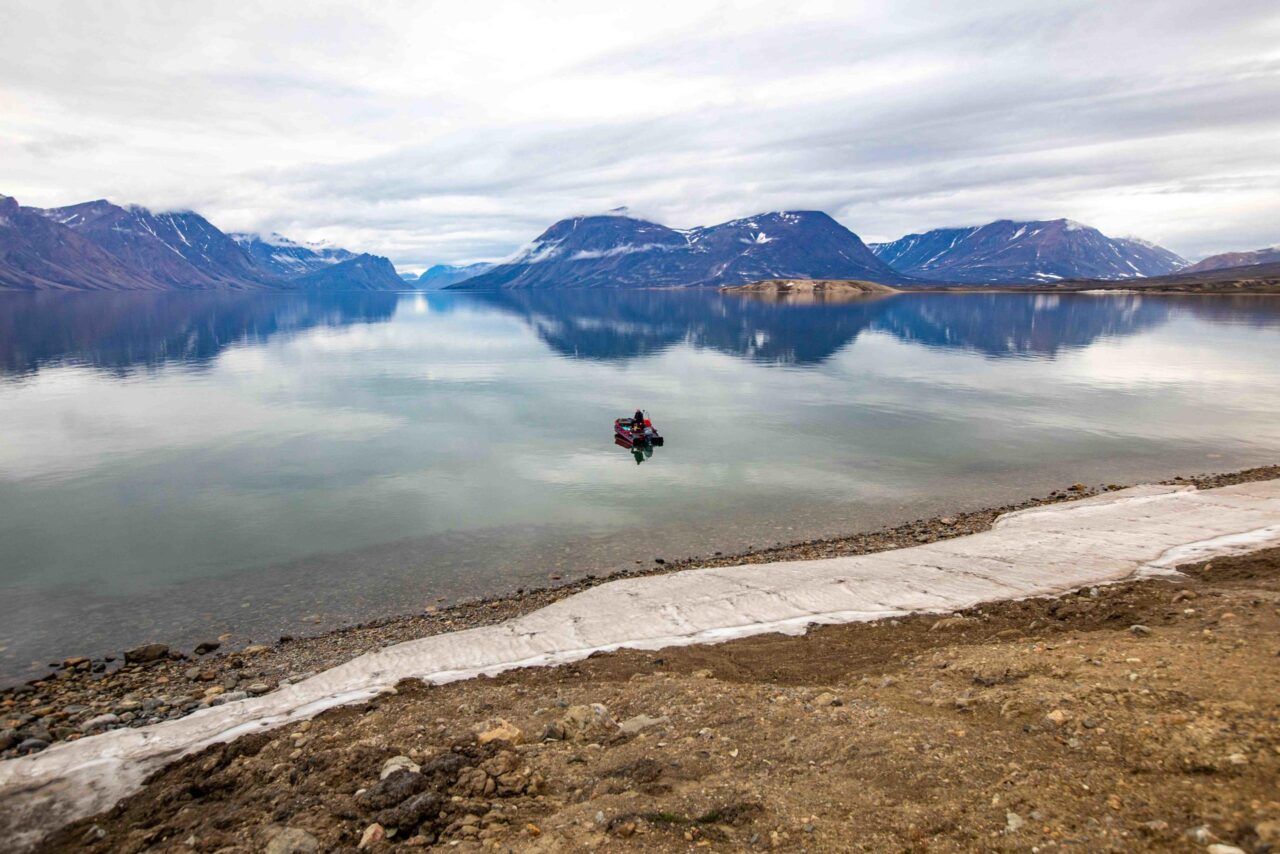
Simon Stanford met climate researcher, professor Mikael Sejr of the Greenland Ecosystem Monitoring Program. He shared some of the insights into climate change he and his team have gained over the 23 years that have worked in this remote and sensitive environment