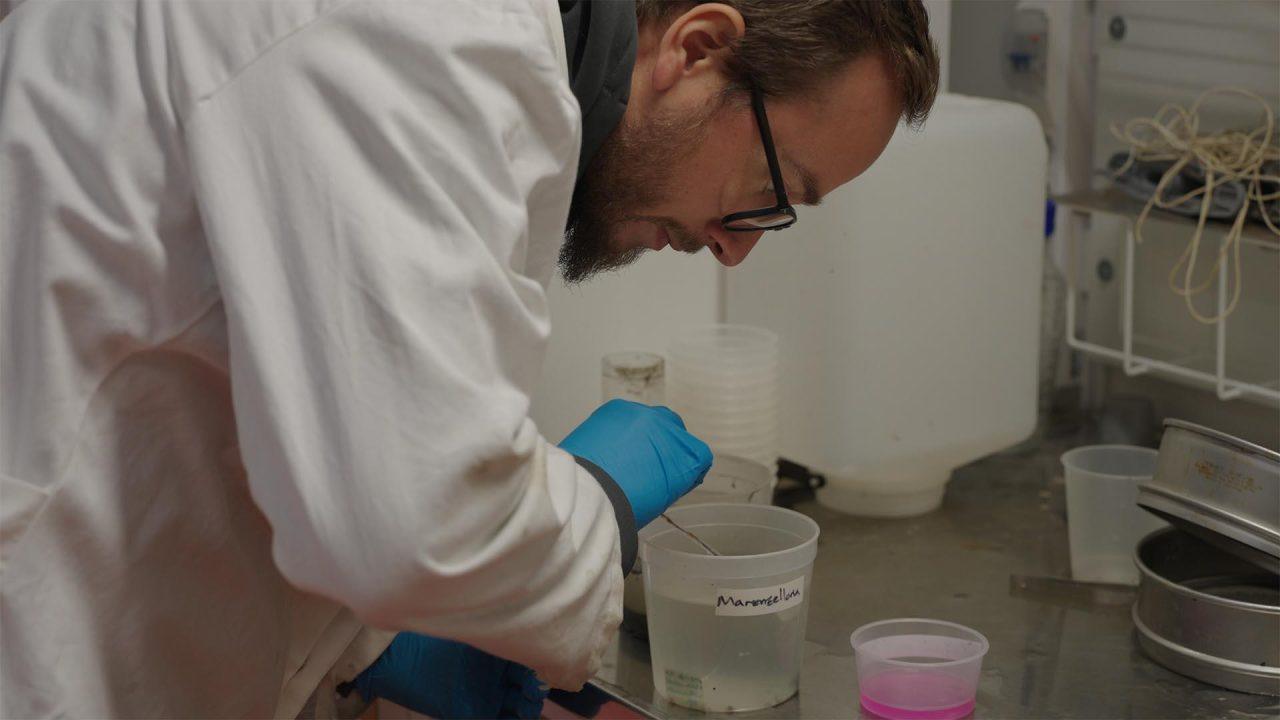
A Swedish company has been authorised to investigate the possibility of extracting mineral nodules from the seabed in the Gulf of Bothnia. They are said to be important for the green transition. Researchers will now provide answers to how the extraction would affect the organisms living at the bottom of the sea.
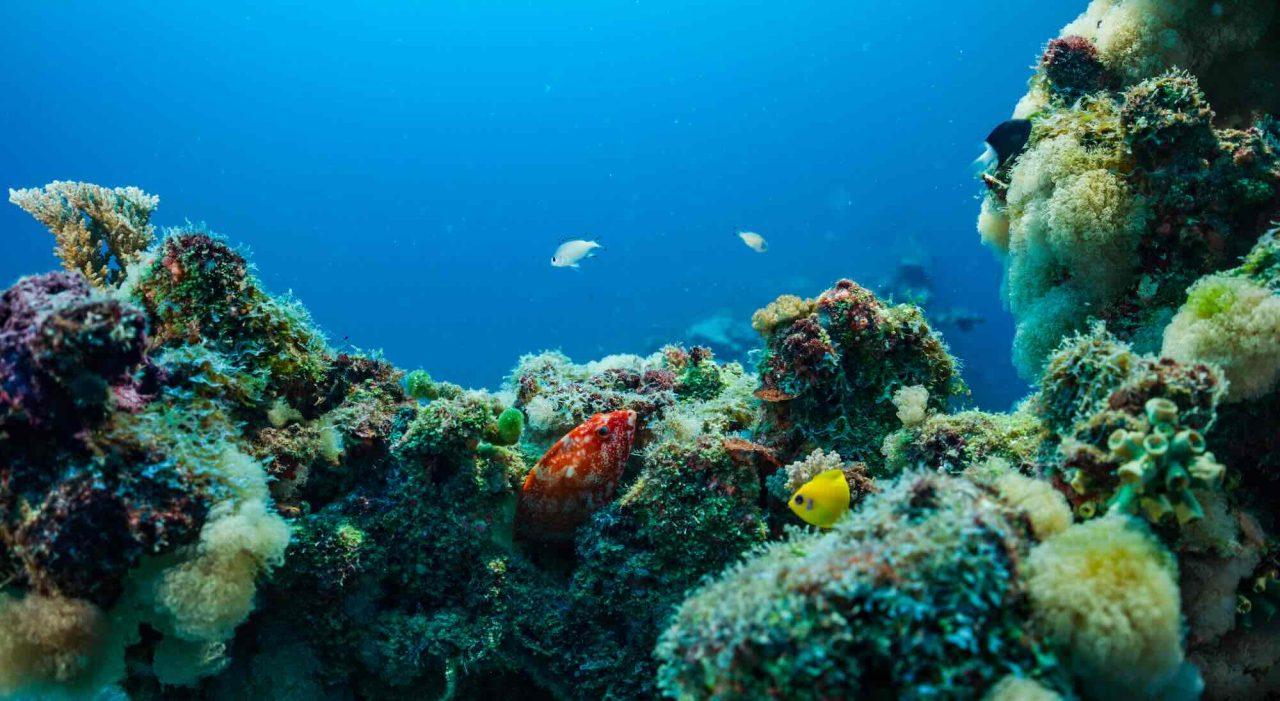
I write this as COP 16, the UN summit meeting on biodiversity, has just ended in the Colombian coastal city of Cali. On a human level there is progress: indigenous people are promised a stronger voice in the fight to protect threatened species on planet Earth. Many of these nations live near the oceans, some on islands that are also threatened with extinction because of climate change. Their voices will be important for the protection of those who inhabit the oceans.
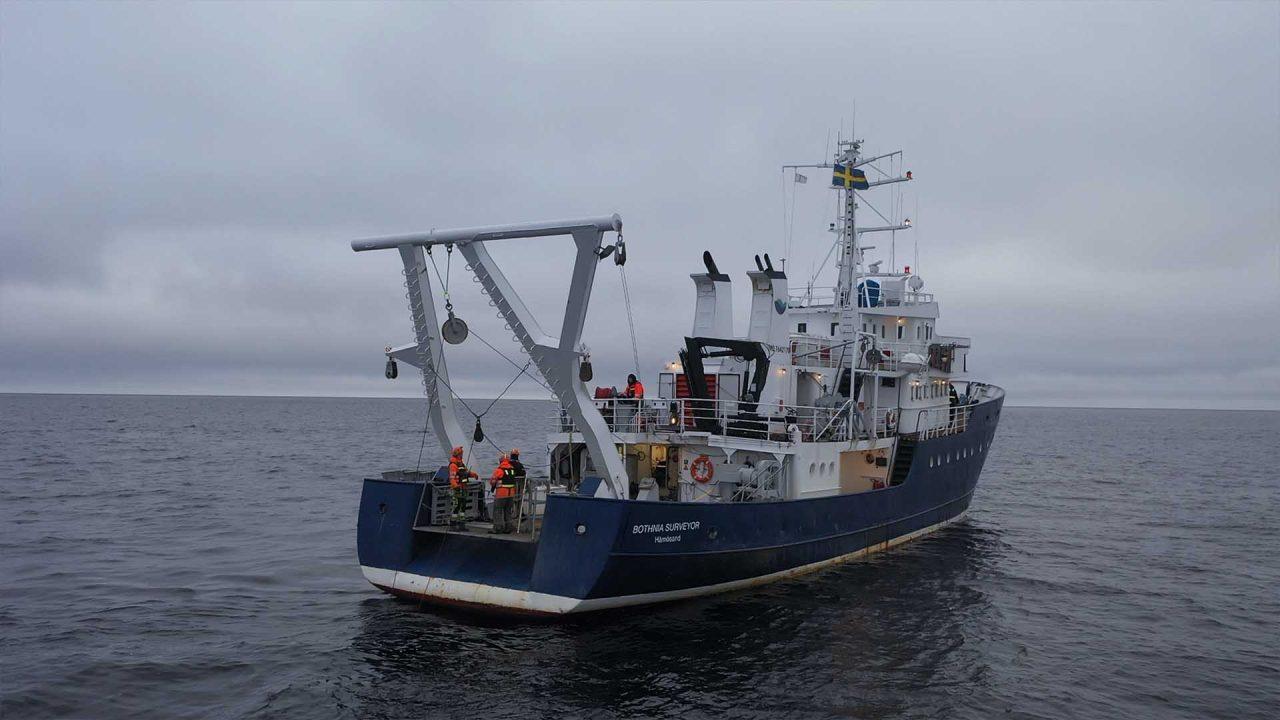
Several countries, including Sweden, have criticized Norway's plans for deep-sea mining. However, a Swedish company has now been granted permission to explore the possibilities of extracting mineral nodules from the seabed off Skellefteå in the Gulf of Bothnia.
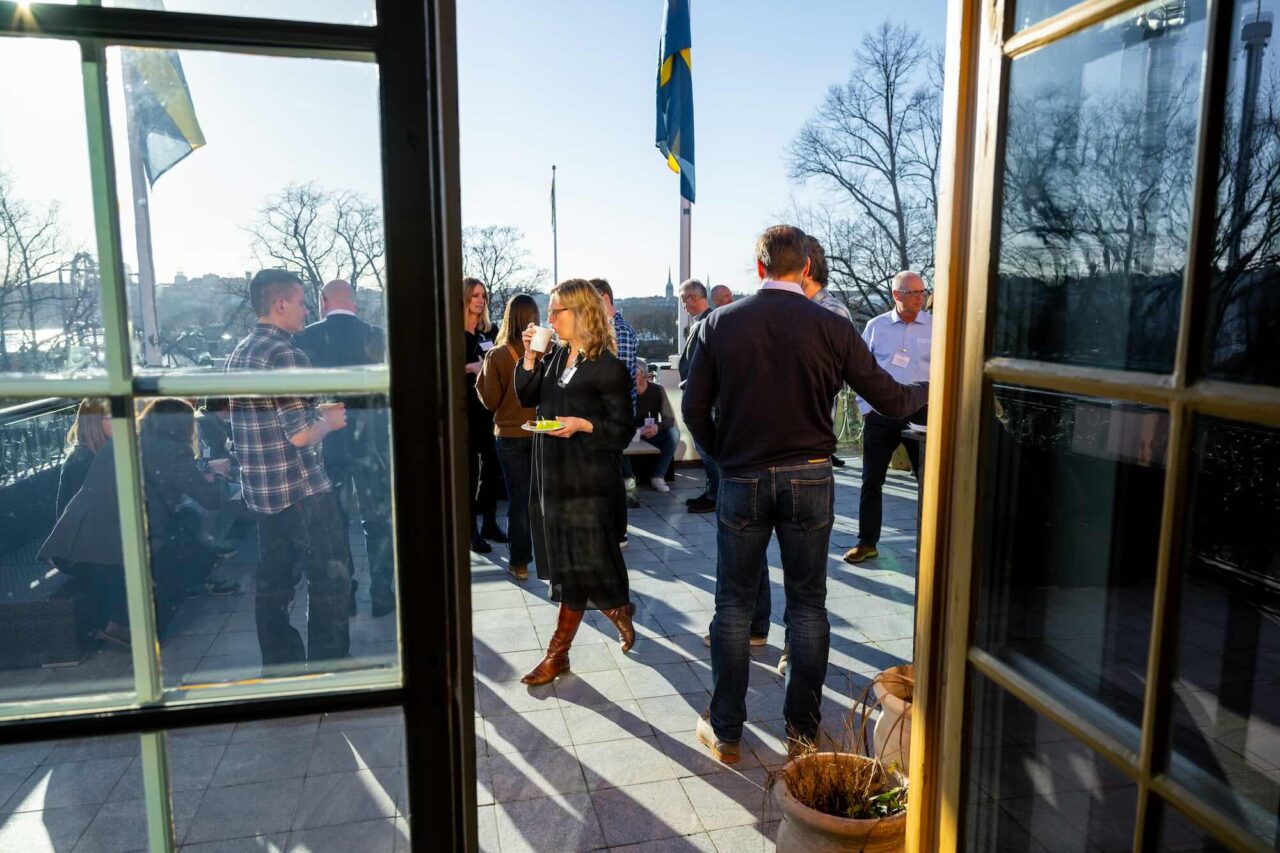
The conflicts within Swedish fishing are very fierce. Small-scale coastal fishermen on the east and south coasts face a small number of giant trawlers from the West Coast. I was looking forward to tough discussions and fruitful exchanges at this year's Fishing Forum. But met with pleasant company in a luxurious mingling environment.
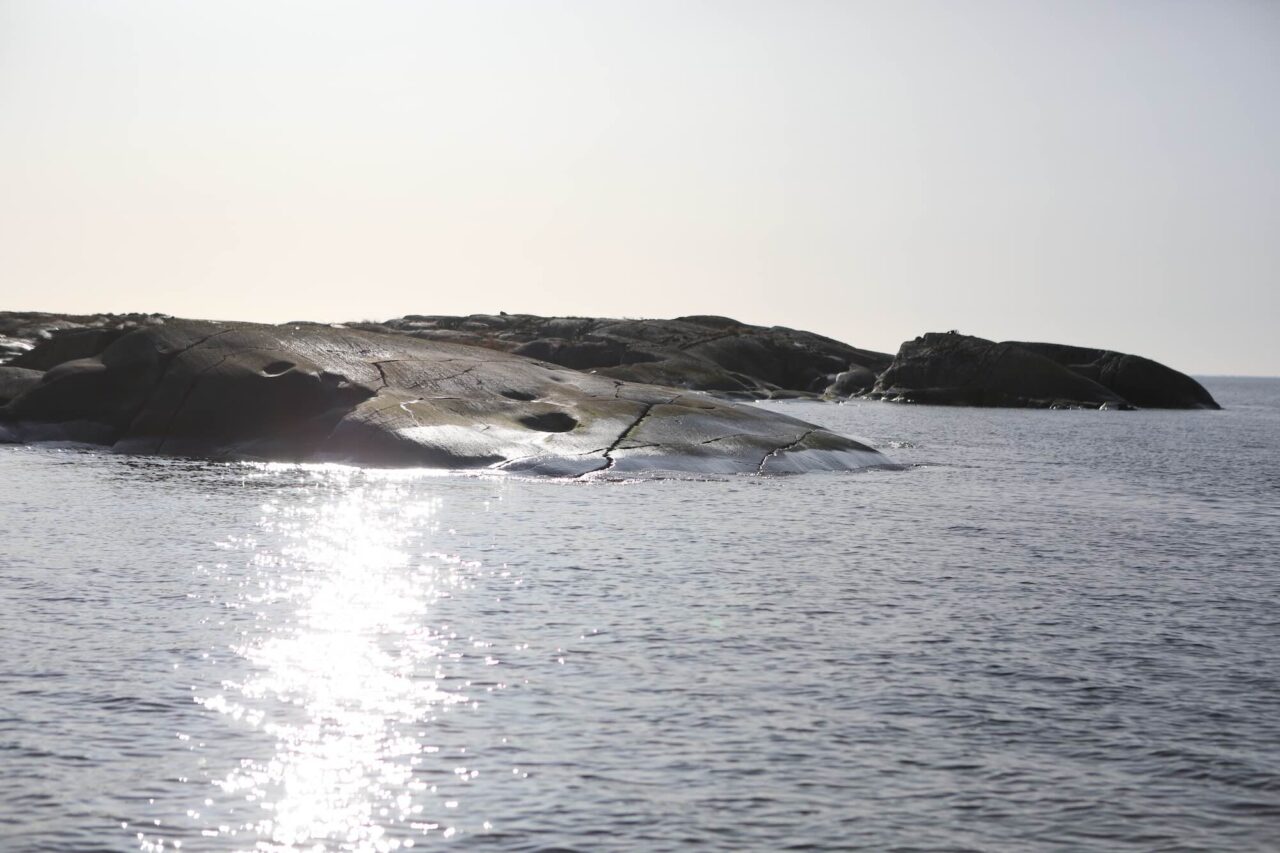
I am now forbidden to fish for cod and the pike has disappeared from my bay. I'm looking for scapegoats. Who is responsible for the condition below the surface in the Baltic Sea? Small-scale professional fishermen along the east coast have been raising the alarm for several years that the herring has declined sharply. At the same time, the large-scale trawling in the open sea has continued to catch large quantities, which have gone directly to the fishmeal factories in Denmark.
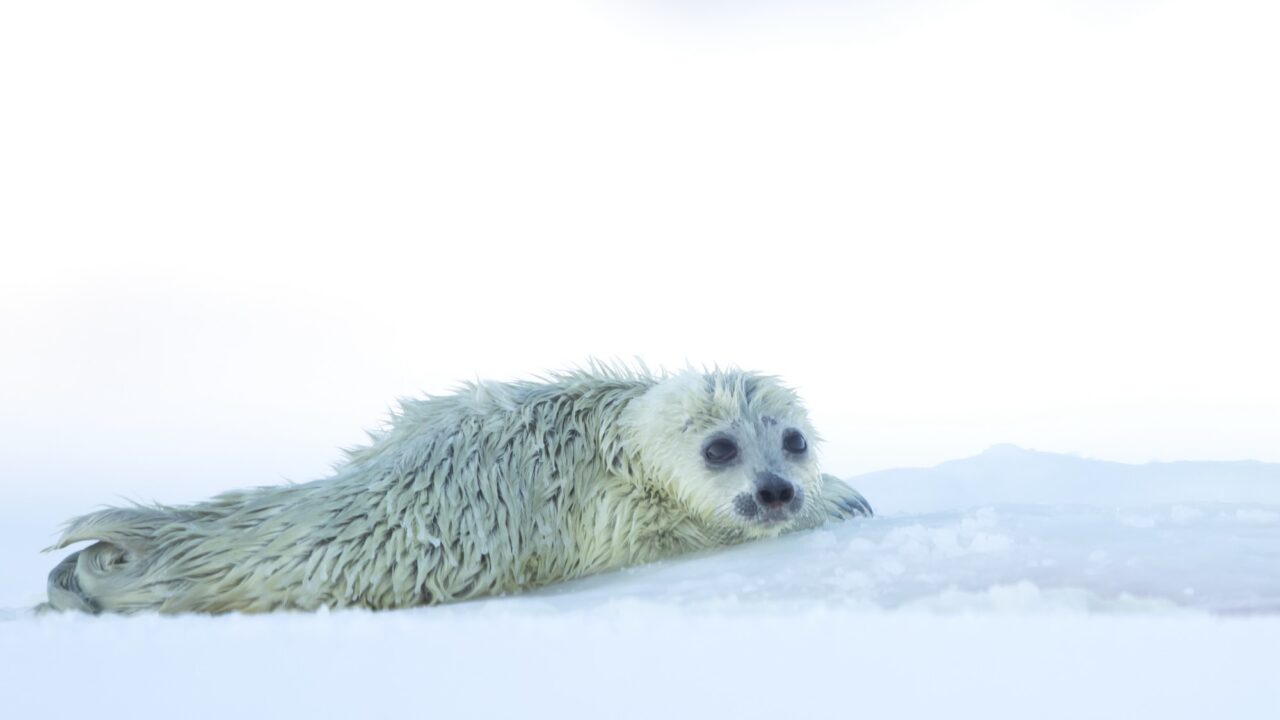
Ringed seal pups become homeless as the Baltic Sea's ice shrinks. Now it is being tested to build caves out of plastic and plywood to make the cubs survive in an increasingly hot climate.
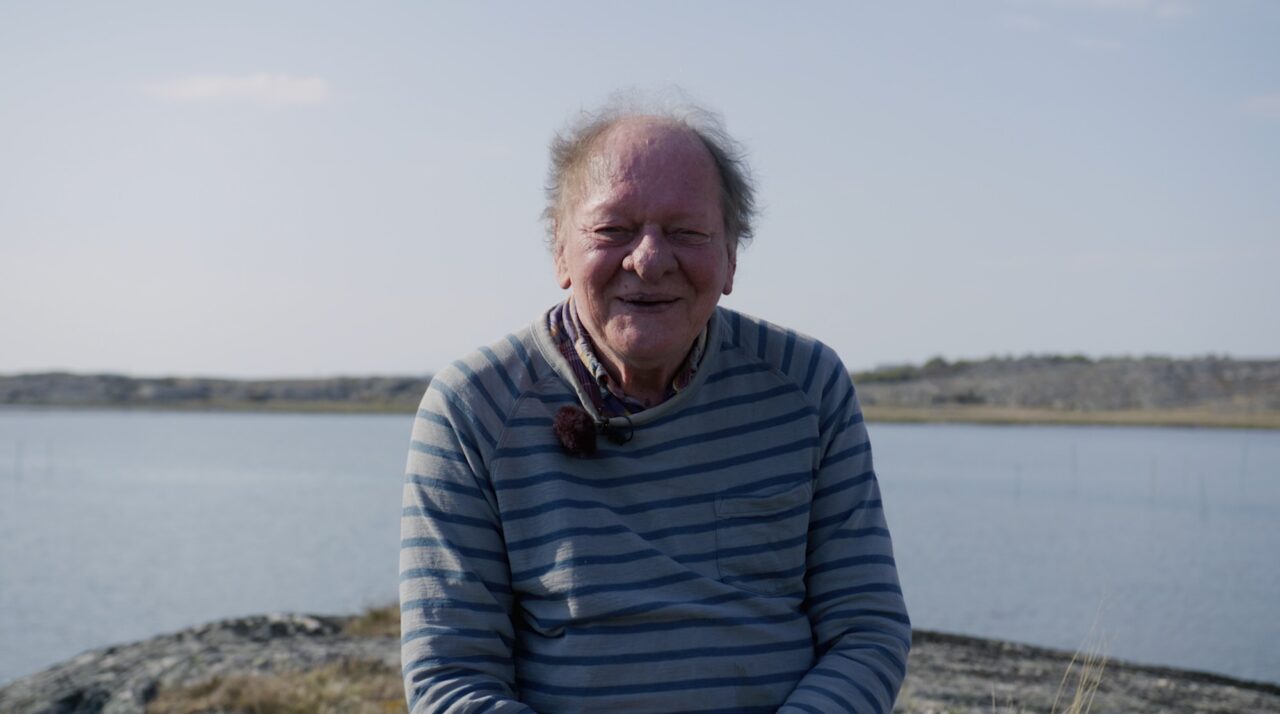
We asked Tero Härkönen, who has researched seals since the 1970s, three questions. Is it the seal's fault that the fish disappear? Is the seal doing something wrong? How important is the seal to the ecosystem?
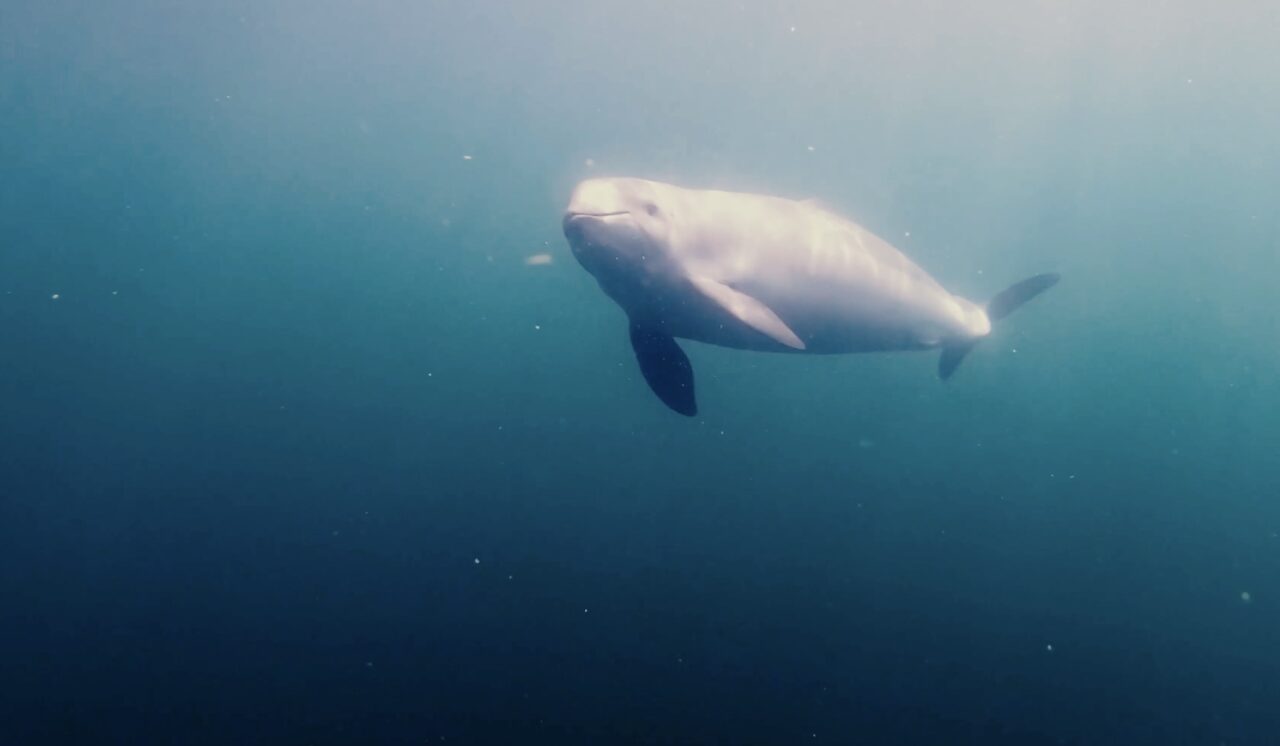
Seal populations rebound after hunting ban and environmental efforts, sparking debate between conservation needs and the impact on fishing. Dive into the story.
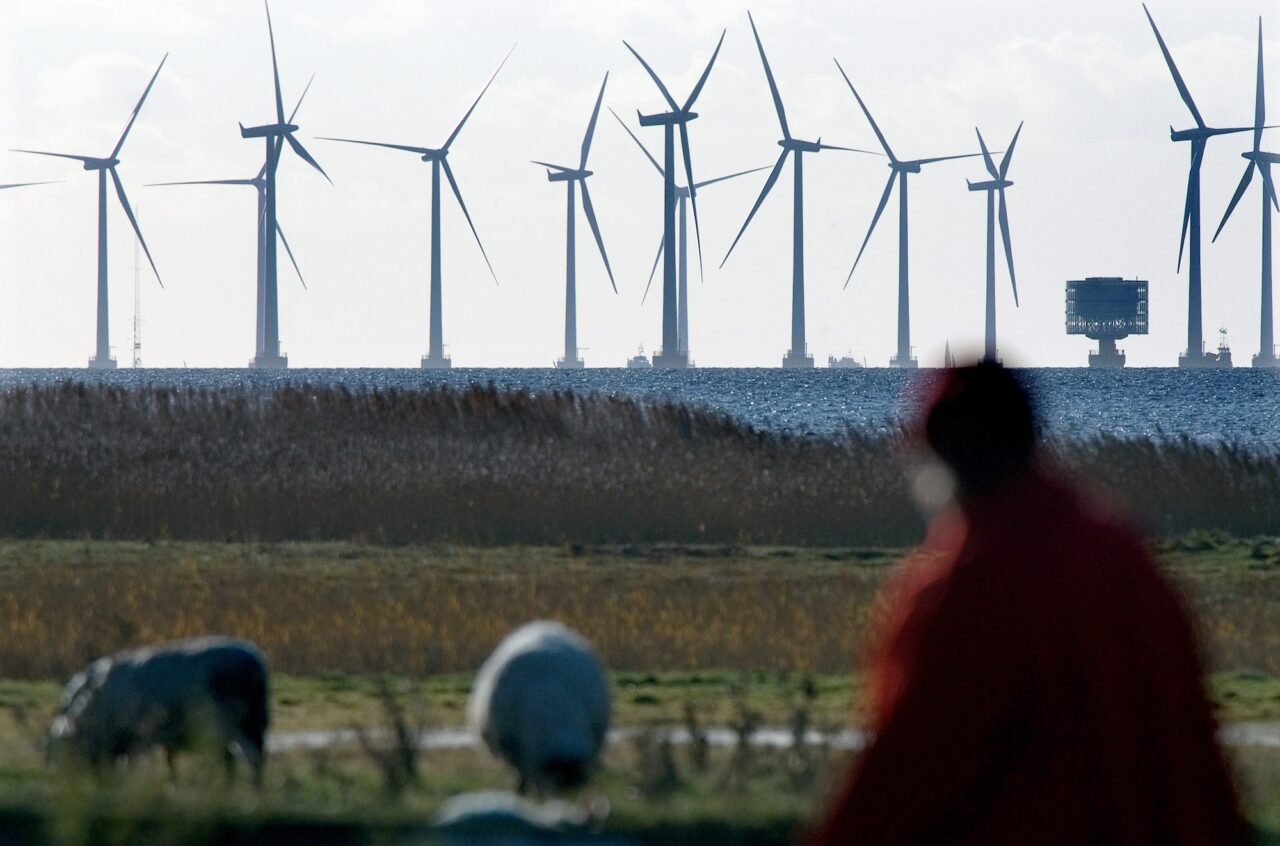
The Swedish government is moving ahead with plans for two offshore wind farms, a project called "Västvind" in the North Sea and a project called "Dyning" in the Baltic Sea.
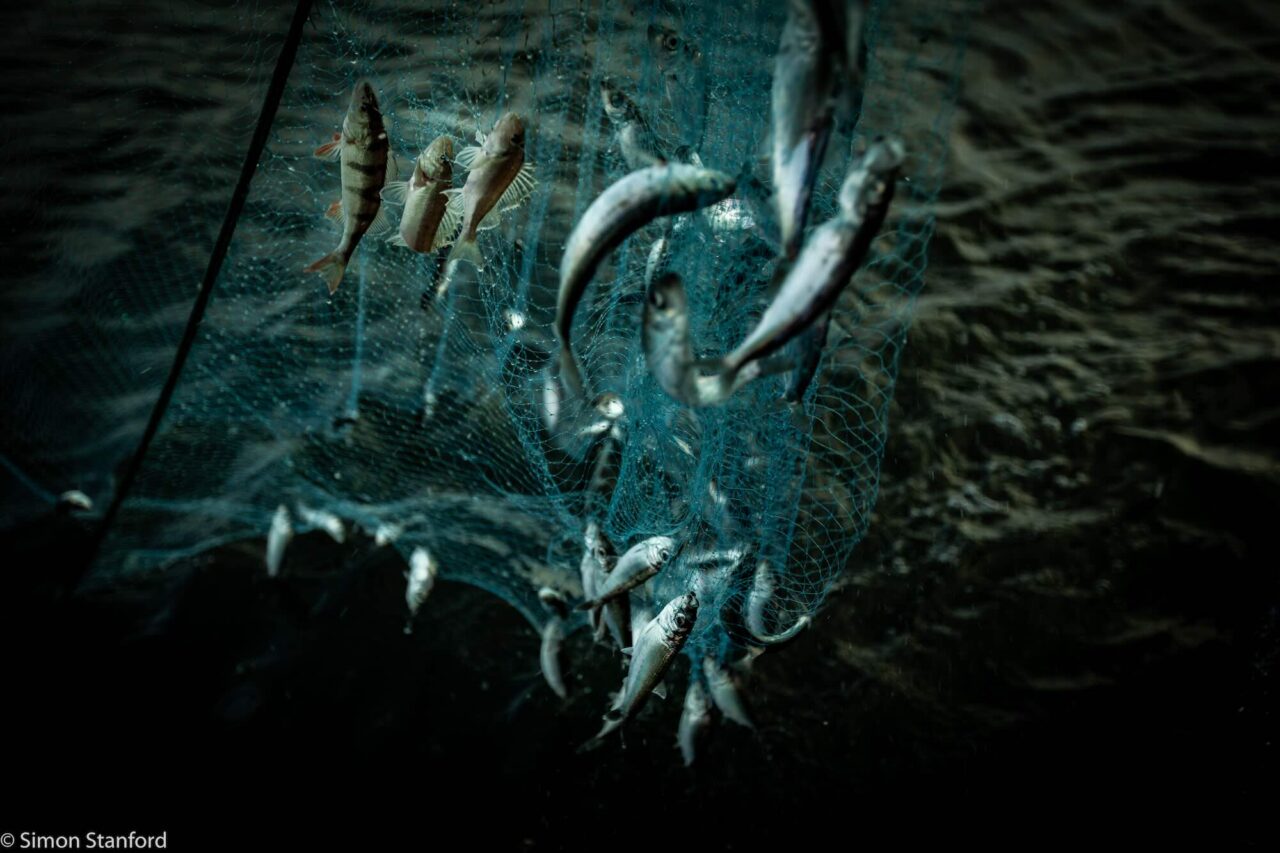
Deep Sea's attention-grabbing film "The Power of the Sea" has set the debate about large-scale fishing in the Baltic Sea in high gear. In the days after Sunday's premiere on SVT, politicians, researchers, and environmental organizations have condemned the EU Council of Ministers and Sweden's Minister of Fisheries. The debaters claim that the ministers' decision, which is against the EU's fisheries law, threatens the herring in the Baltic Sea.
In a report from 2020, published by BalticSea2020, the authors believe that large-scale fishing in the Baltic Sea is neither economically nor financially profitable for the state. On the contrary, it costs us all big money.

The EU fisheries ministers have in a compromise agreed on this years herring fishing in the Baltic Sea next year. As usual, we can continue to fish, despite the fact that, according to many observers, the herring are running out. But there is one law that the ministers seem to forgotten about, which could lead to them having to tear up this year's compromise. Paragraph 4.6 of the EU's multi-year management plan for the Baltic Sea (MAP).
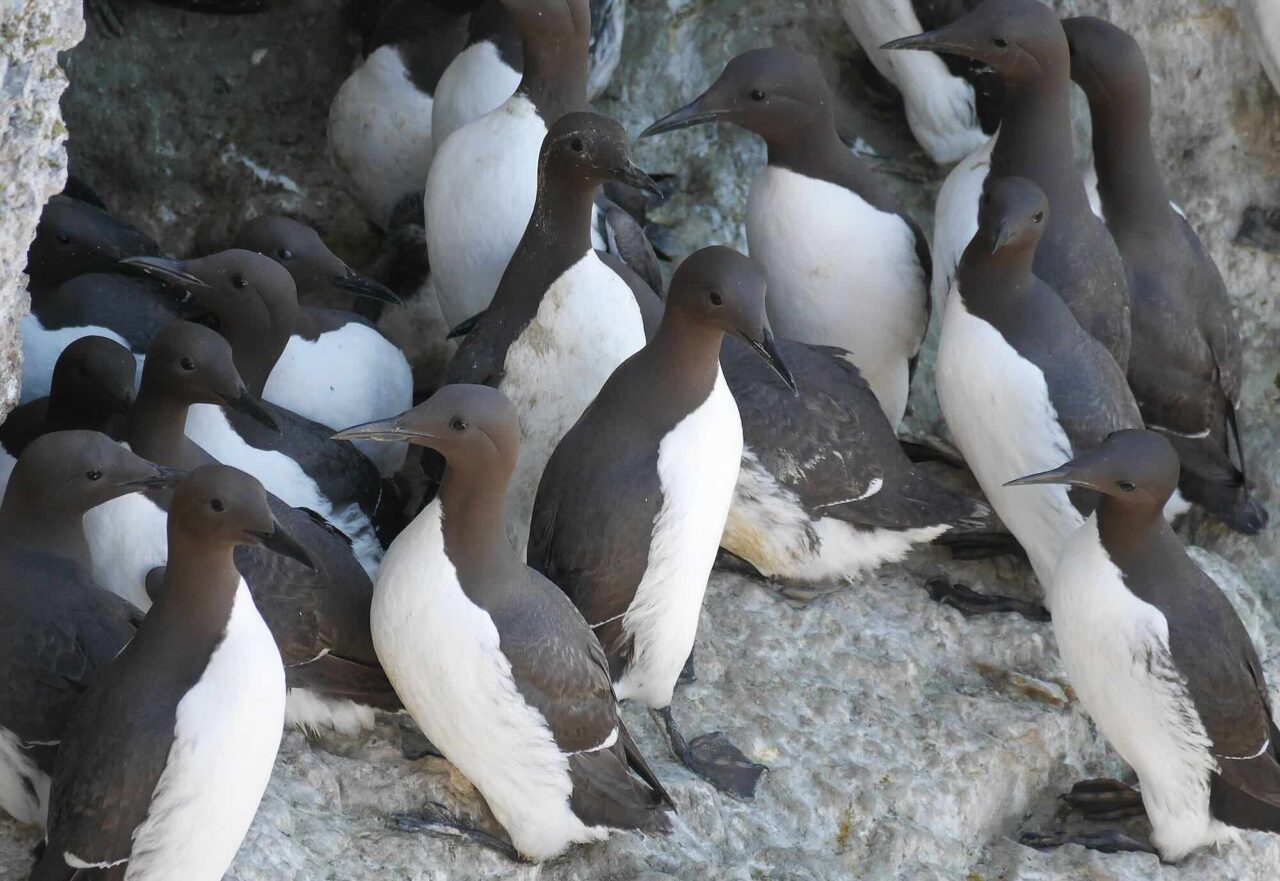
Leaner cods, guillemot, and seals. Sluggish and red-spotted salmon. Several of the Baltic Sea's large animals are being pressured by ill health and new environmental toxins, according to a new report. But for several species it is going quite well – and for one the development is a pure success story.
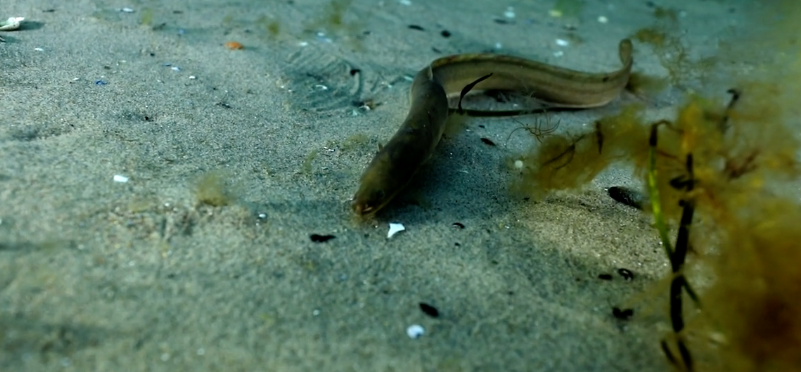
A continued limited eel fishery in the Baltic Sea remains alive since the fisheries ministers of the EU countries struggled through the night to reach an agreement on future quotas mainly in the North Sea and the Atlantic.
Starting Friday, two Swedish corvettes will patrol the Baltic Sea - as part of a major investment in the protection of critical underwater infrastructure.
The Baltic Sea is grappling with a severe ecological crisis primarily marked by oxygen depletion, leading to extensive dead zones. Human activities, including industrial processes and nutrient-rich agricultural runoff, have fueled the growth of algae, contributing to oxygen-starved conditions. These anoxic zones threaten marine life, disrupting ecosystems and fisheries.
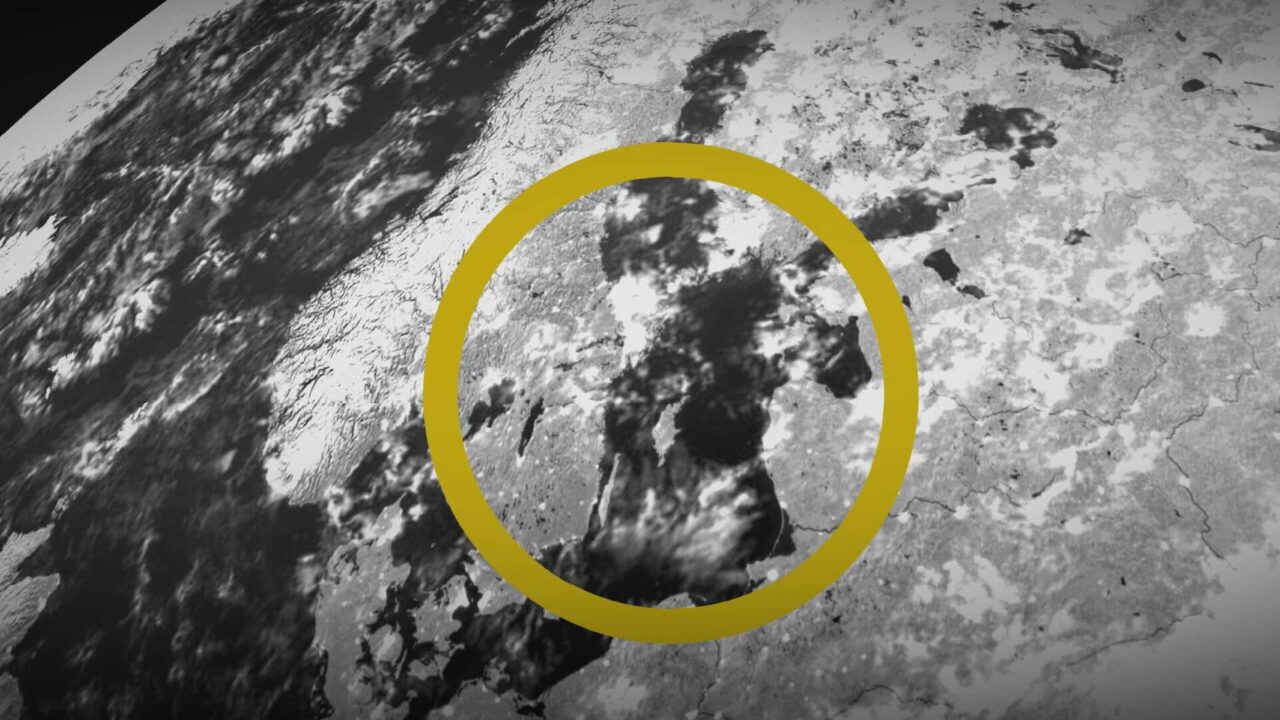
NASA has identified several hundred marine dead zones around the world. A dead zone is an area in the ocean where the oxygen level is too low for marine life to survive. Some of them occur naturally, but most of them are man-made. Seven out of the world's ten largest dead zones are in the Baltic Sea. The biggest dead zone in the Baltic Sea is almost the size of Ireland.
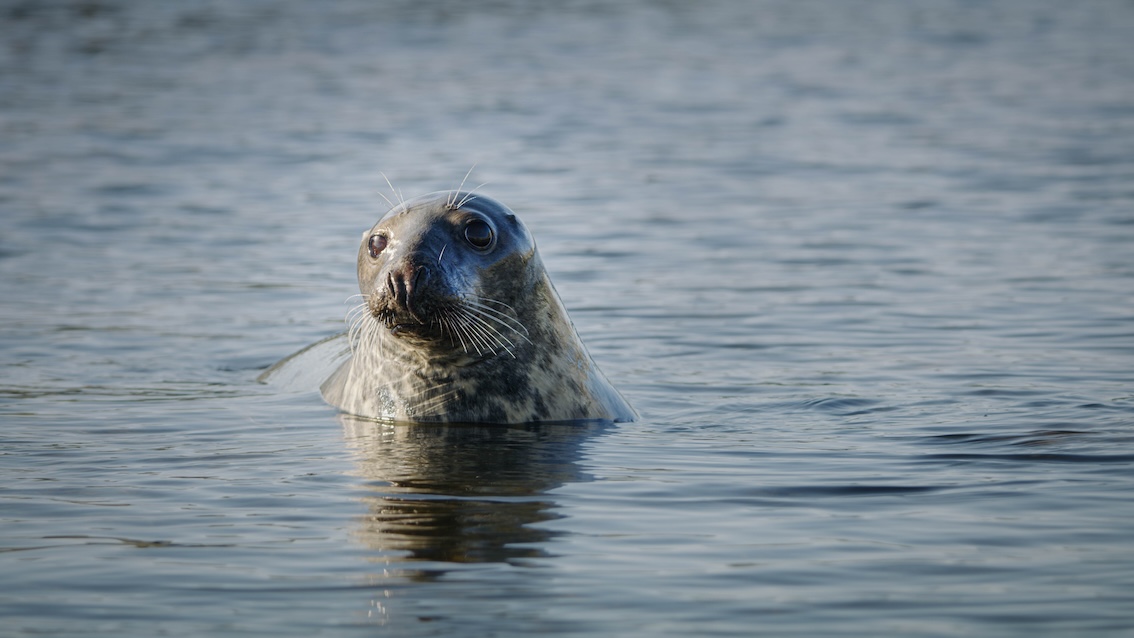
Explore the dramatic journey of the Baltic Sea's seals from near extinction to recovery and the debates surrounding their resurgence.
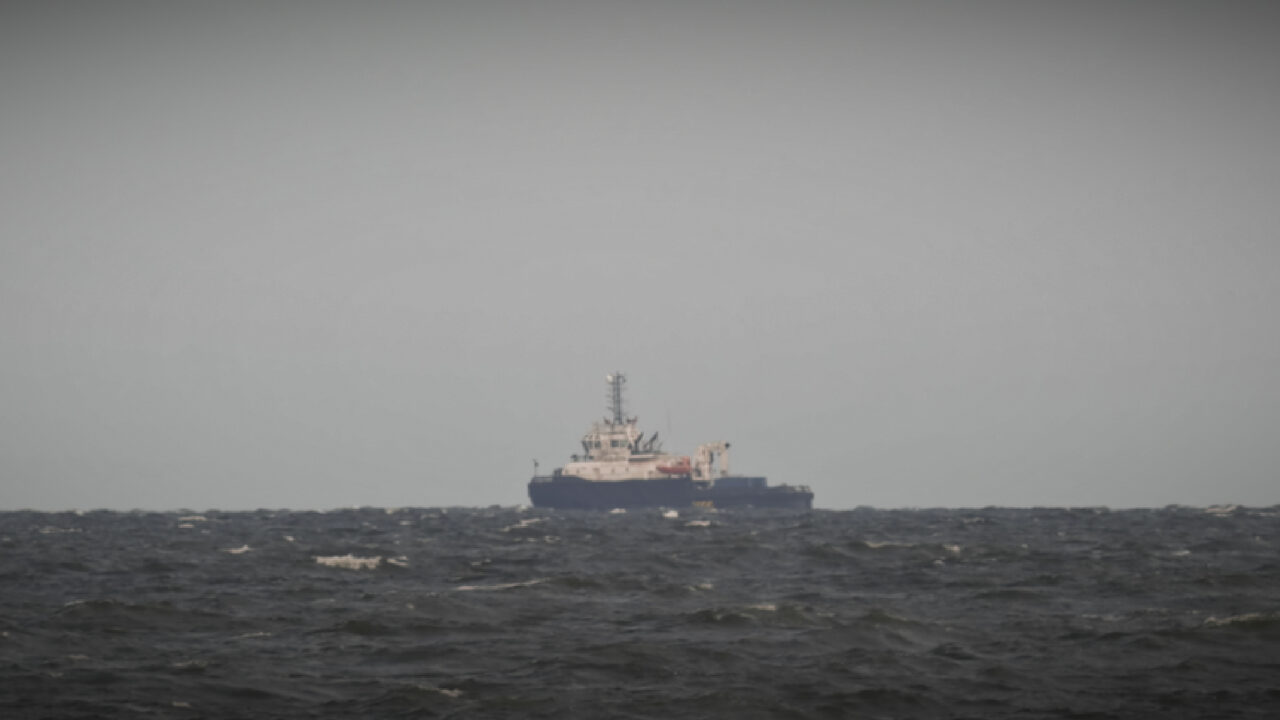
The fish are running out, the herring and the baltic herring are threatened and the cod is almost completely gone. When there is a competition for the little fish left, many people want to blame the seal. Both that it eats too much of "our" fish and that it destroys our fishing gear. But how is it really? Does the seal eat more than we do, and what does it actually eat? We asked some seal researchers.
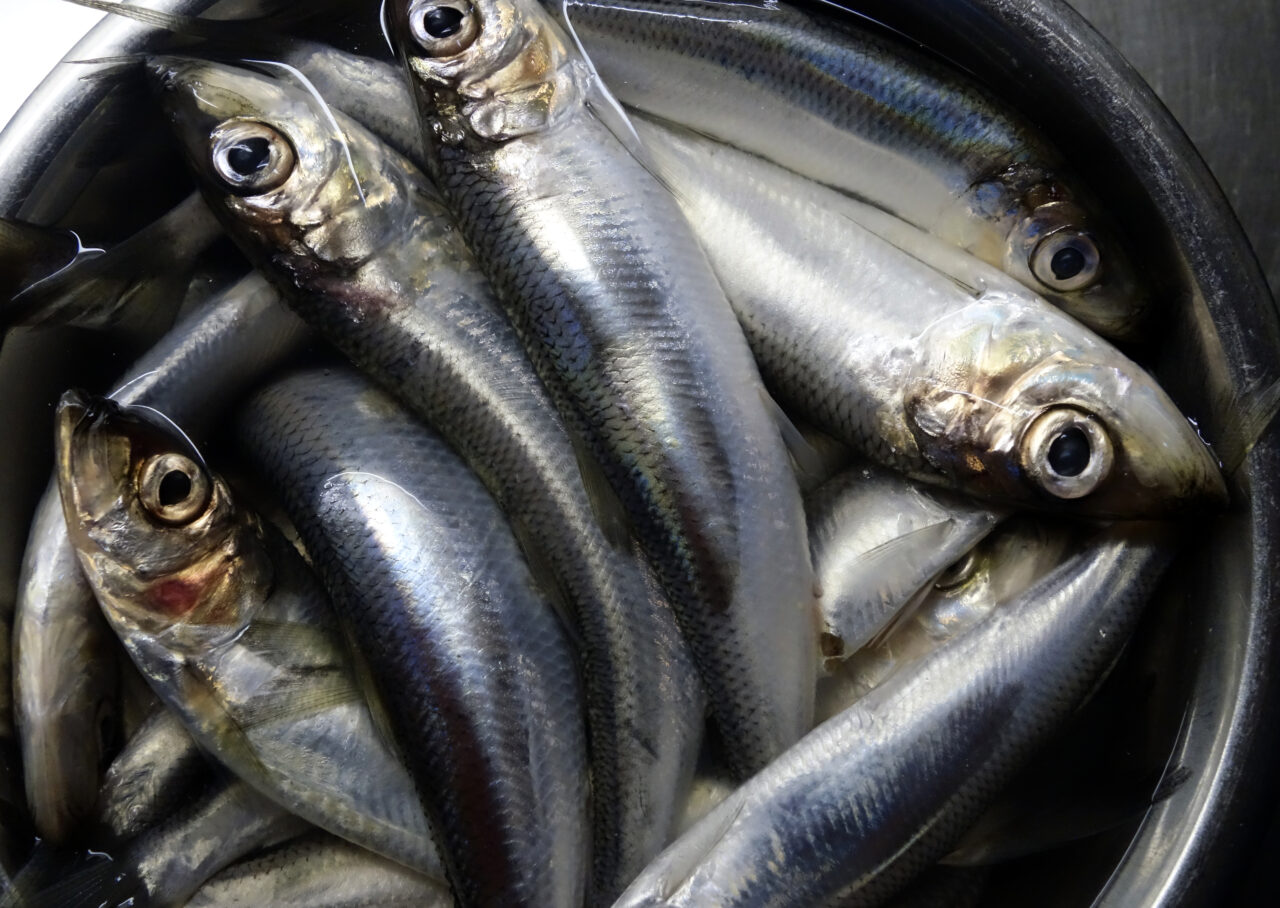
Targeted fishing for herring and sturgeon can also continue in 2024. The EU countries have agreed on significantly larger catch quotas than what the European Commission wanted to see.
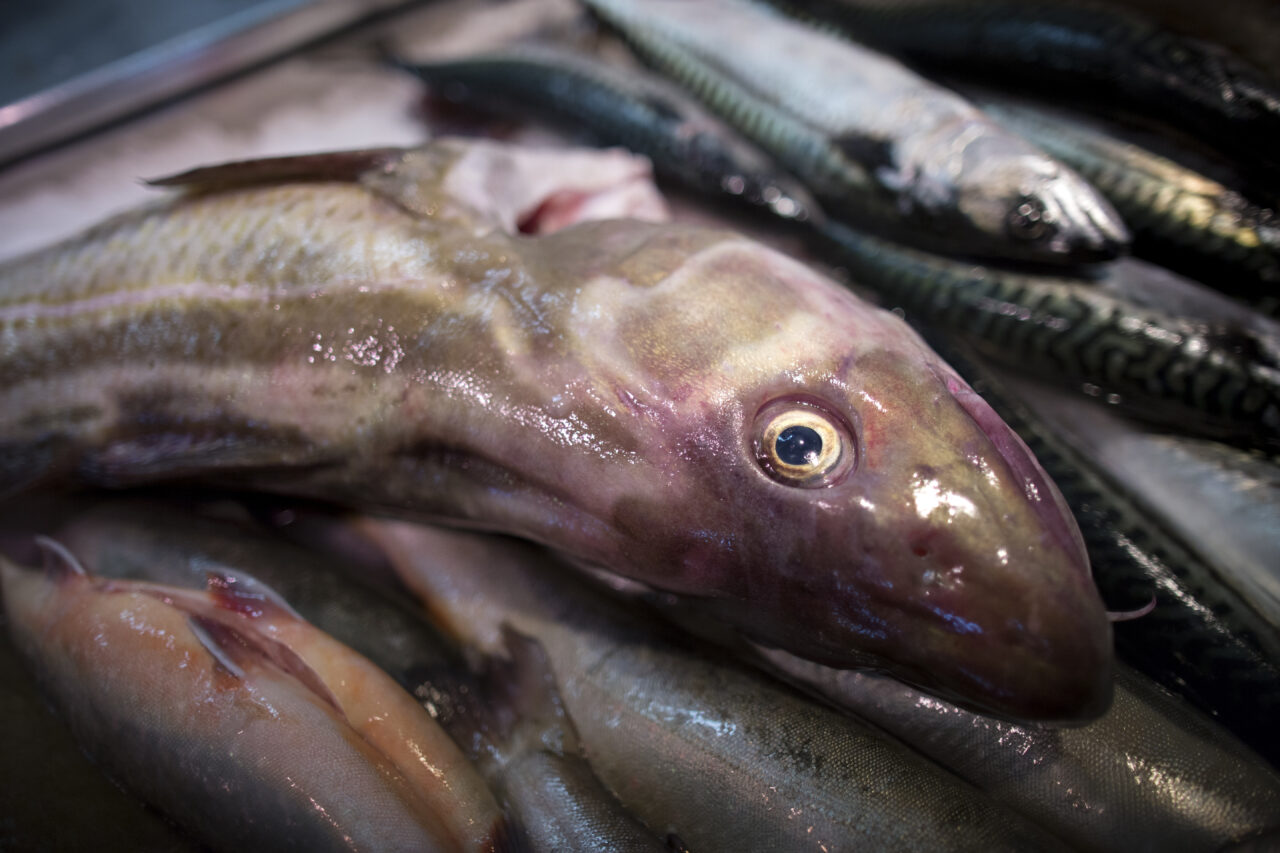
In recent years, the stickleback has increased dramatically in the Baltic Sea. According to an as yet unpublished study that Vetenskapsradion has taken part in, it is estimated that in some places there is eleven times as much stickleback as it was 20 years ago.
The New Economics Foundation think tank was able to show in a report already in 2019 that EU countries took 300,000 tons more fish into the sea than the researchers in ICES recommended.
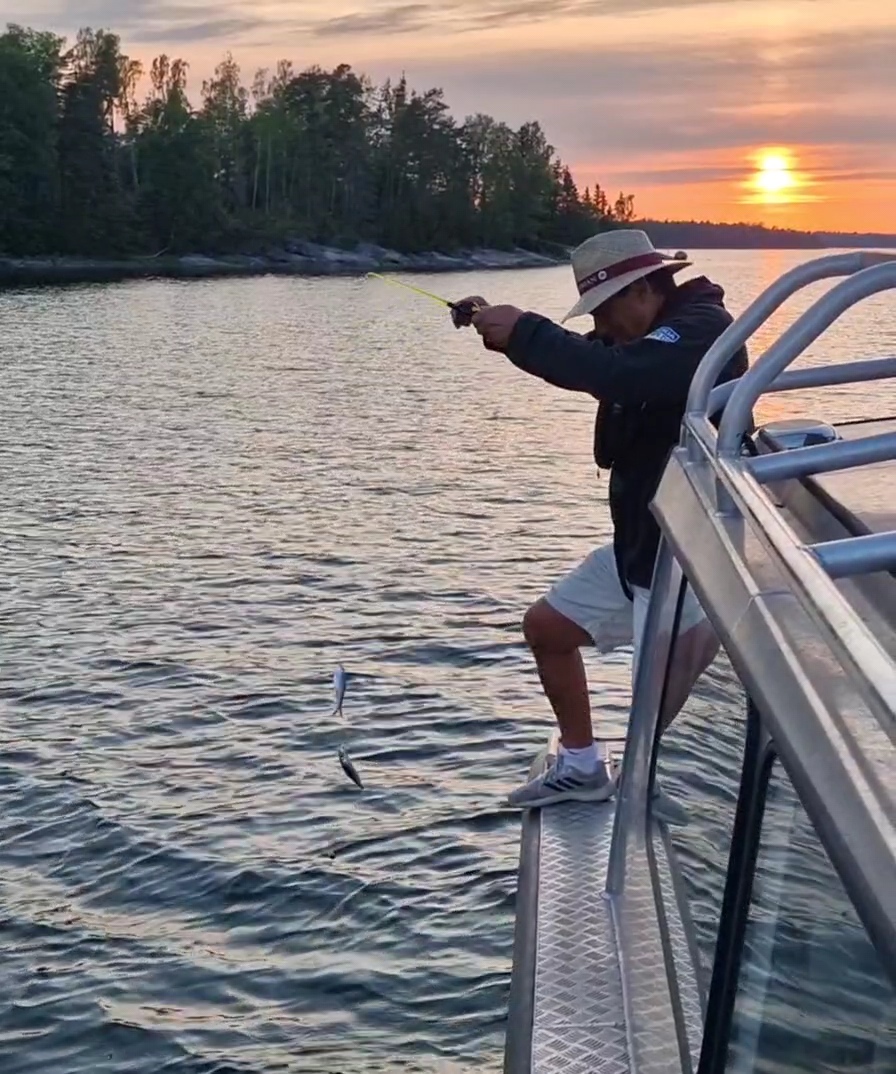
I sit in the boat and jig. It rhythmically jerks with the same reel as last year, and the year before that. Every weekend before Midsummer, we have been catching herring at sunset in the bay outside Vätö in Roslagen. We have been doing this for 22 years now.
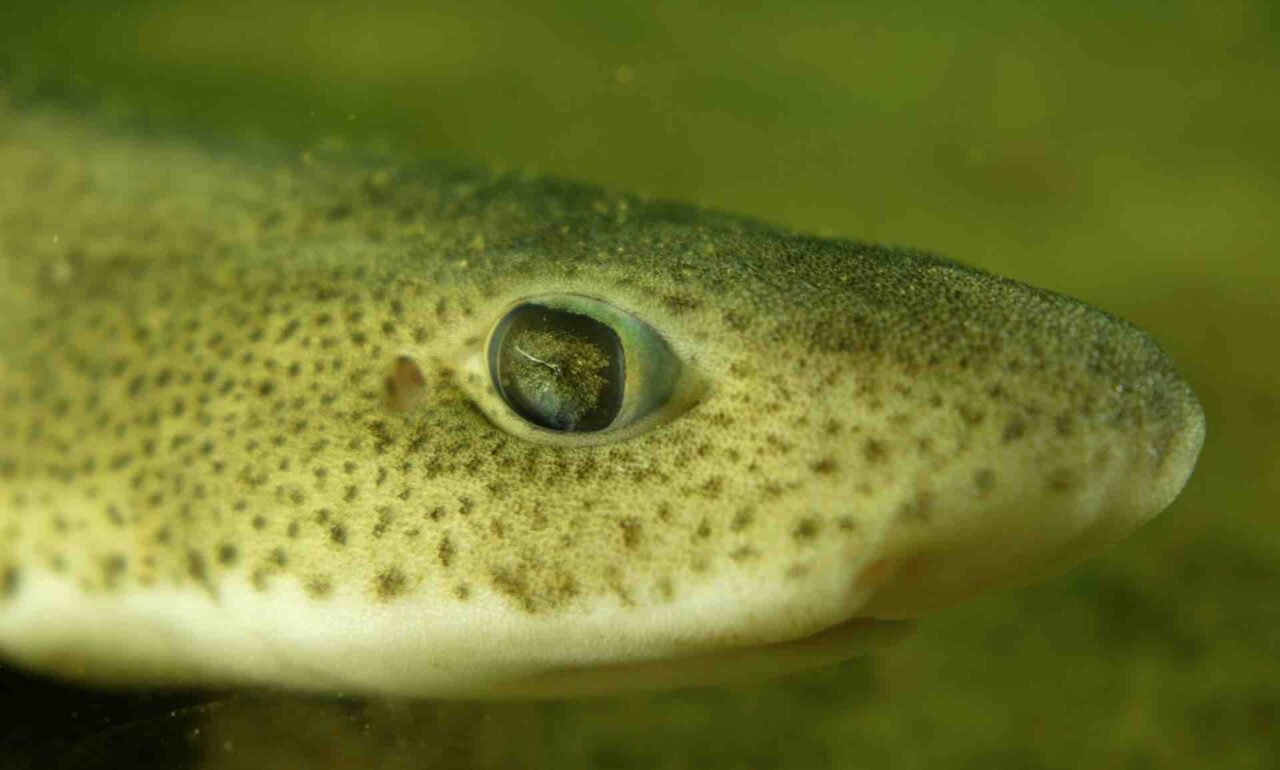
Indeed, we do have sharks in Sweden. Perhaps up to 17 different species! Some are, of course, very rare visitors to Swedish waters, while others live their entire lives in the same place.