In part two, we delve into the threats facing the small-toothed whales that inhabit Sweden's waters. Why are these porpoises becoming increasingly rare, and what steps can we take to address the issue?
I have had many pets in my life. First I had budgies. I particularly liked my first one - Mimi. I once took her to school in the outer compartment of my backpack. In the summer I fished. I pulled up roaches and perch on the jetty. Digged a pit and had my own fish pond. Then there were mice. Rats. Turtles. Rabbits. Chickens and horses. I knew that stuff with animals.
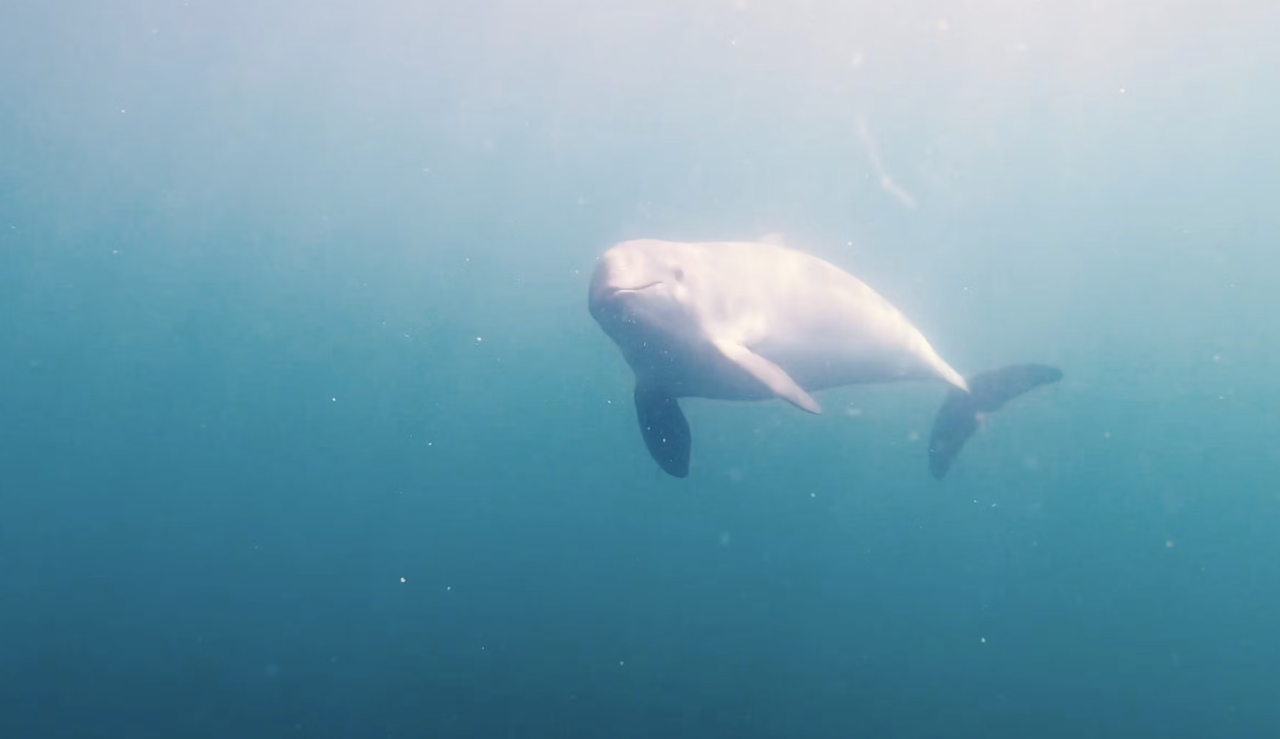
Sweden's only whale is not easy to see. In the Baltic Sea it is acutely threatened, but outside Kullaberg there is a small colony. There, scientists try to learn more about the porpoise's secret life. With the help of new technology, it can be studied both from above and below the water's surface.
This is what it looks like when cormorants have taken over an island in Stockholm’s archipelago. It’s not exactly attractive when you were expecting green skerries and peacefully lapping waves.
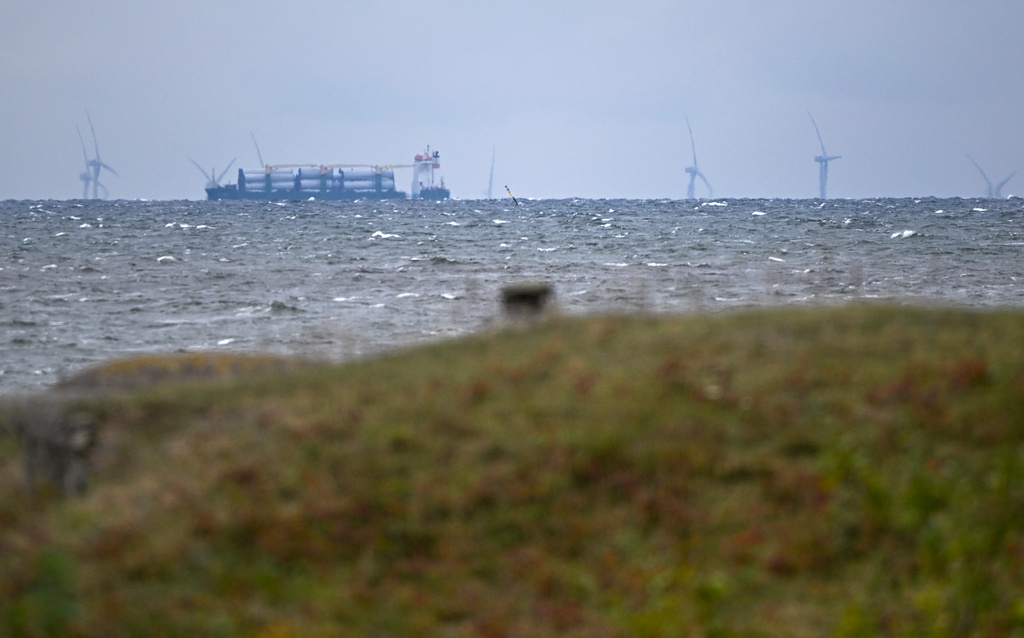
The Swedish Government has given the green light for power company Vattenfall to lay cables on the seabed for its Kriegers Flak wind farm. - All the permits needed are now in place, says Minister for Climate and the Environment Romina Pourmokhtari (Liberal Party).
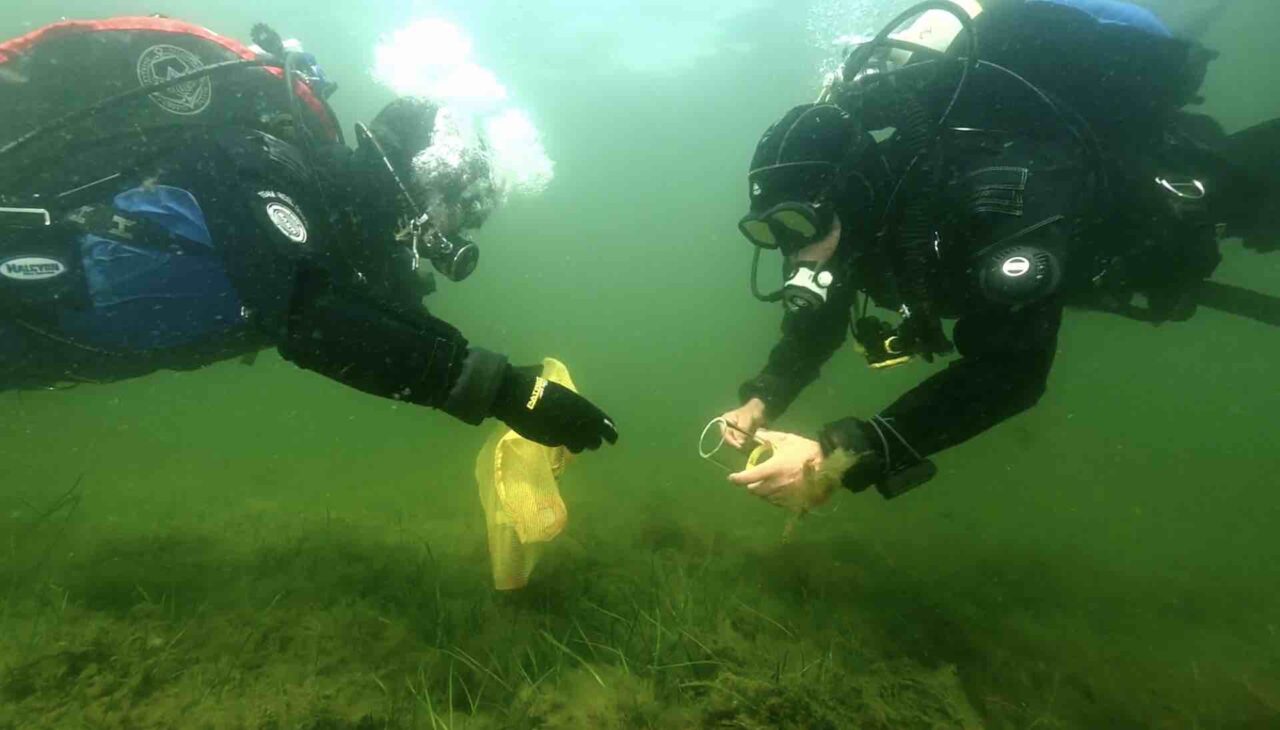
Healthy habitats with a diversity of species are important, not least for us to cope with a rapidly changing climate. We have been to the Finnish side of the Baltic Sea and talked to one of the world's leading marine scientists; Alf Norkko.
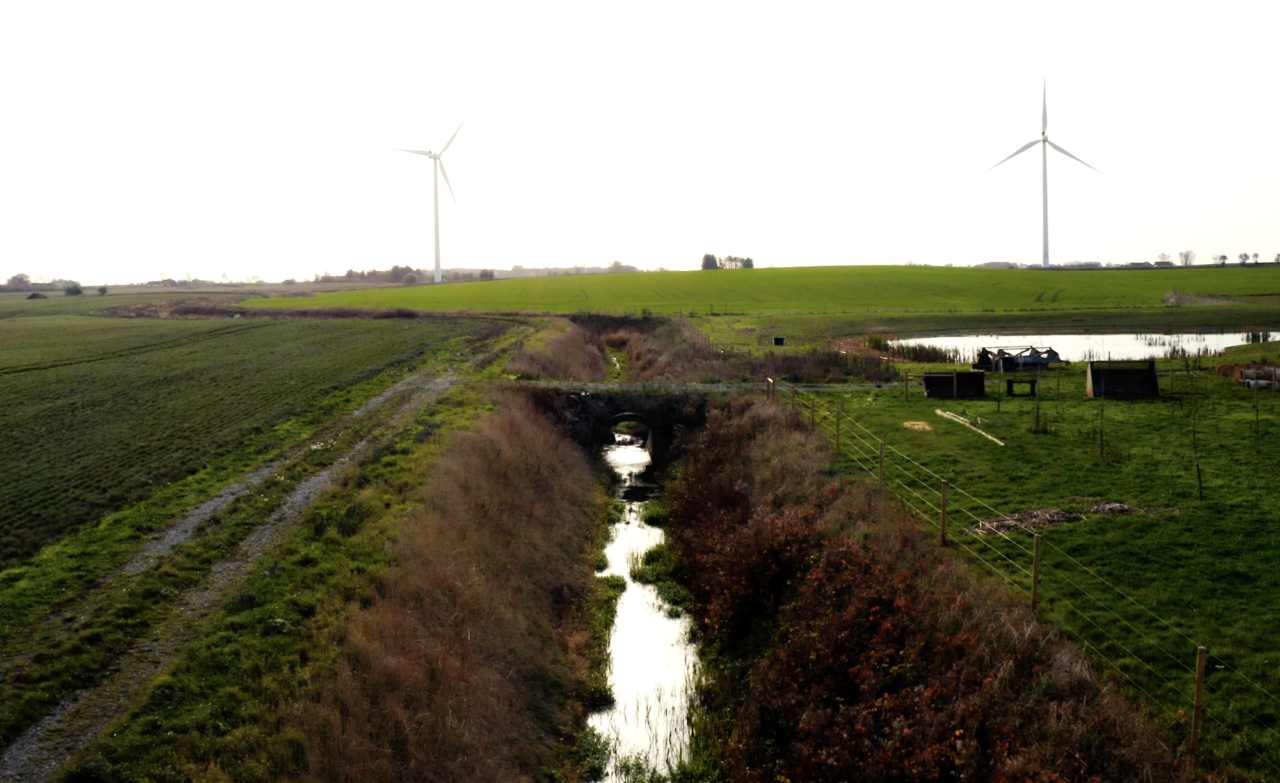
The river "Tullstorp" in southern Skåne is today a river that looks like a river and behaves like a river and that both the landscape and the sea benefit from - but it has just been "reborn" after being a ditch for a long time. The great dredging of Sweden took place in the 19th century and has, among other things, led to the eutrophication of the Baltic Sea.
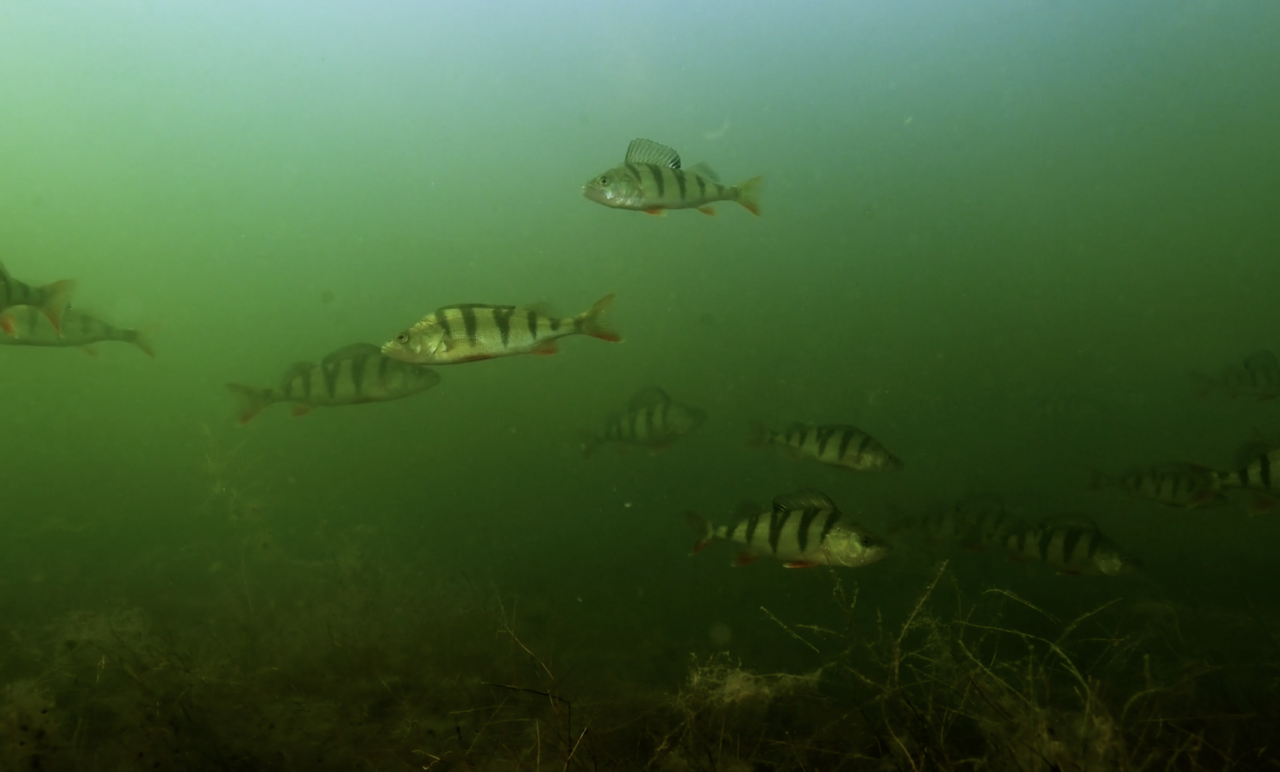
The Baltic Sea is becoming a hot water bath. It affects the fish more than we might understand. It is a slow process that can be difficult to see. But there is one place where, for a relatively short period of time, scientists have been able to see just that – what happens to the fish when the sea gets warmer. Right next to Forsmark's nuclear power plant in northern Uppland.

Nord Stream was subjected to gross sabotage, the prosecutor confirms in a press release. Explosives have been found on several foreign objects.
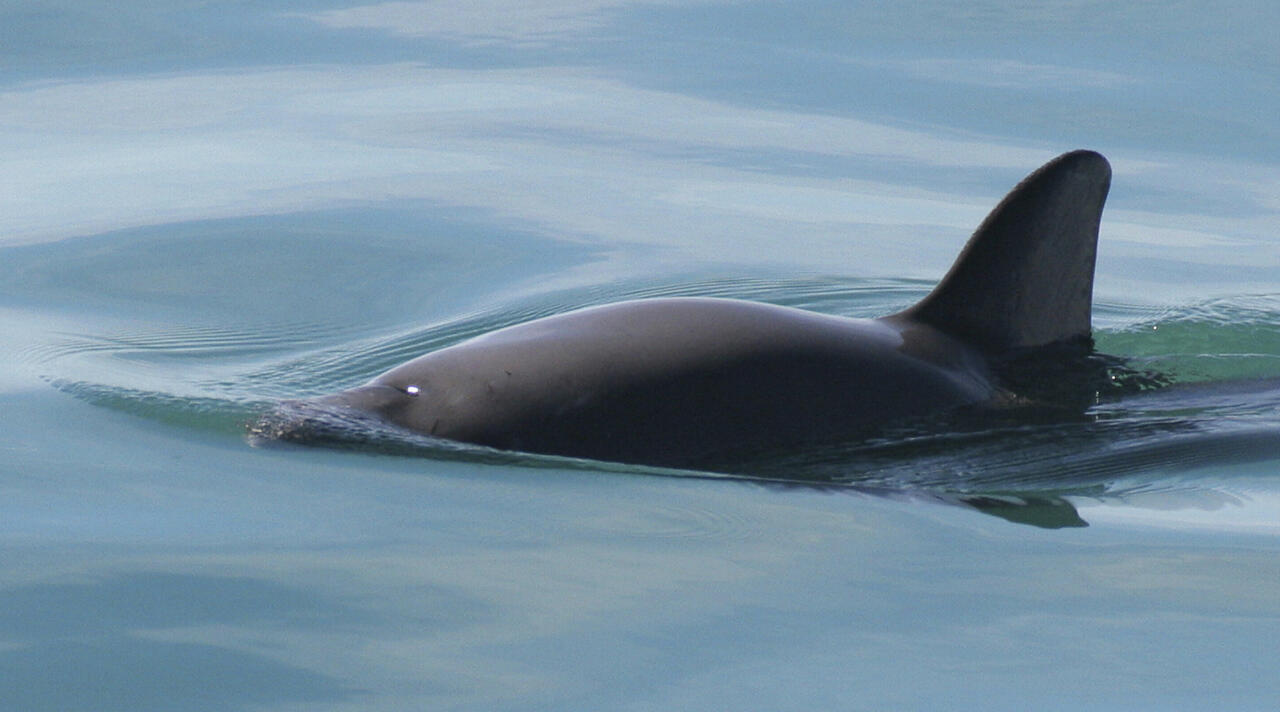
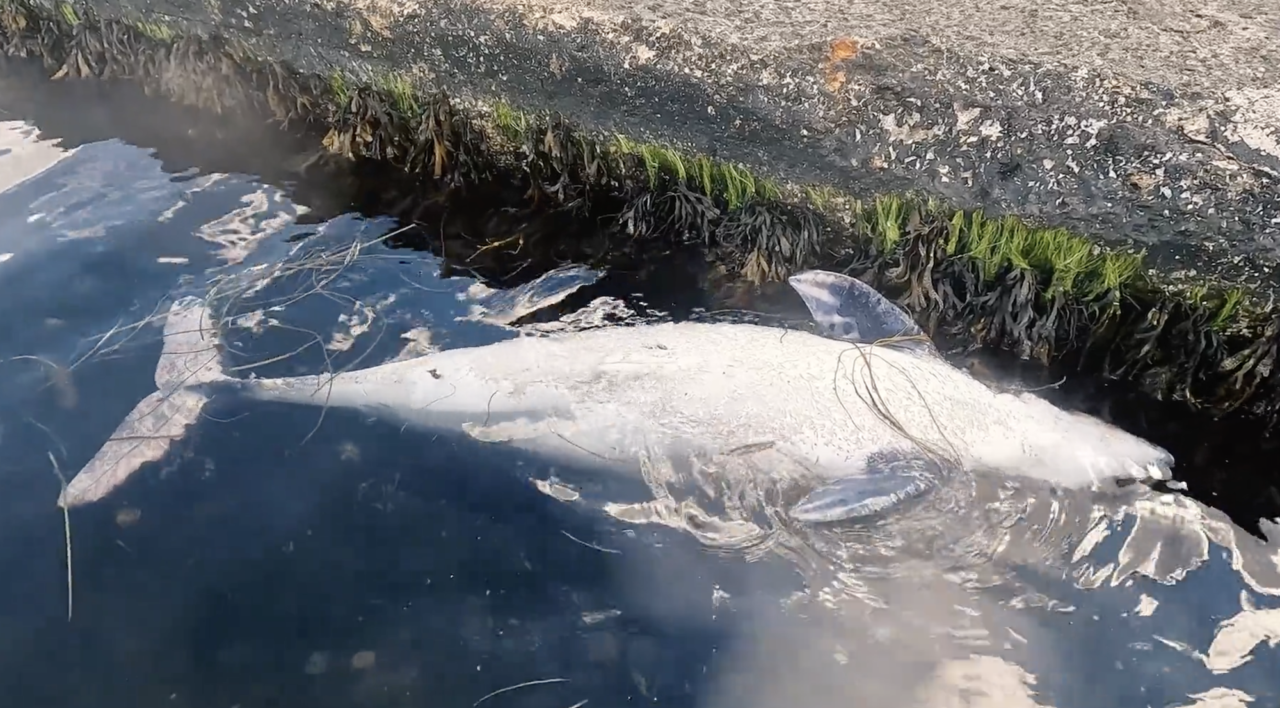
A dead porpoise was found in the Blekinge archipelago in August. When the unusual find is now investigated, it turns out that the cause of death is still unclear - and that it was a pregnant female, reports Blekinge county newspaper
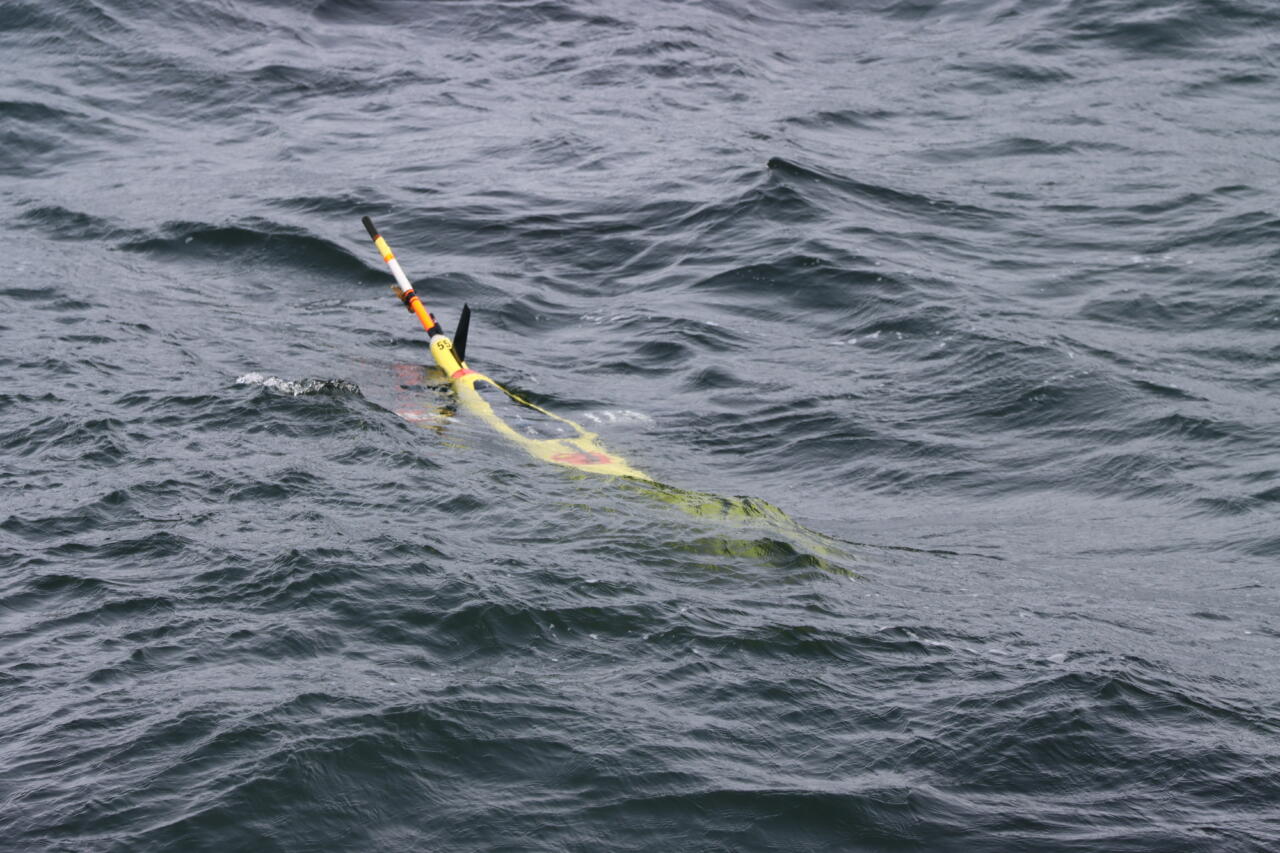
Three underwater robots are currently searching the waters around the Nord Stream leaks. The idea is that the robots will provide new information about how the methane emissions from the gas pipelines affect the marine environment
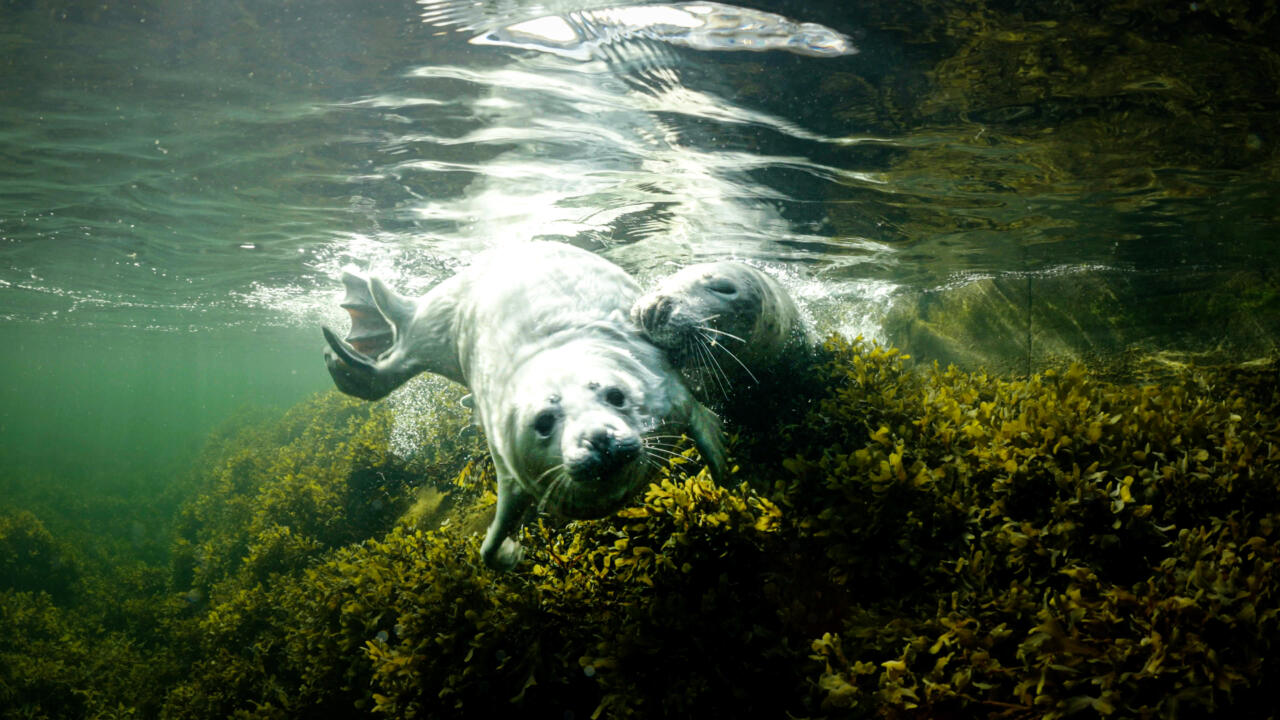
Dive into the world of underwater filmmaking with Johan Candert and Göran Ehlmé as they share their captivating experiences with seals through five years of dedicated filming.
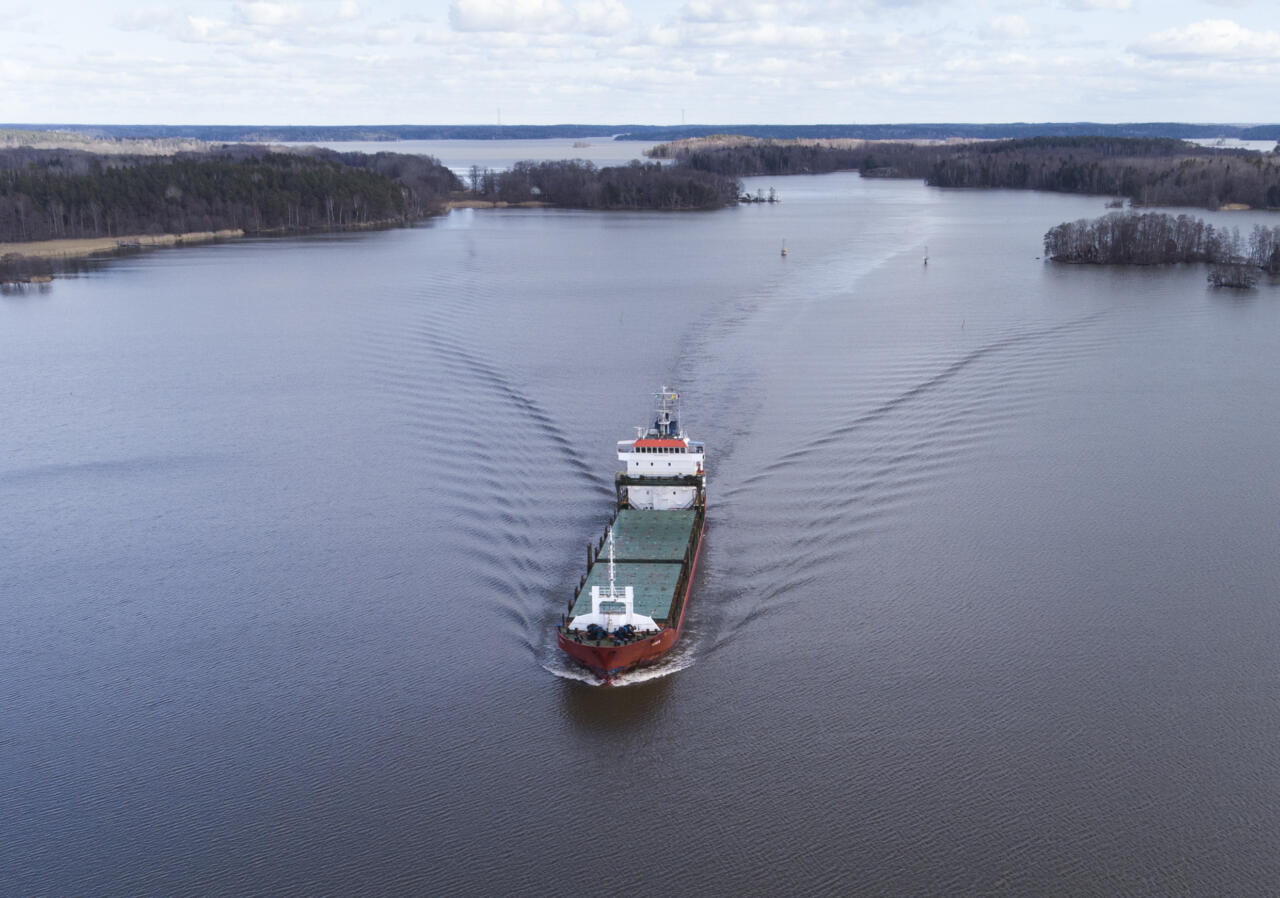
Emissions of mineral oils at sea have decreased in recent years – however, chemical emissions into the sea have increased, reports SVT. These are harmful chemicals emitted from ships carrying biofuels, such as tall oil.
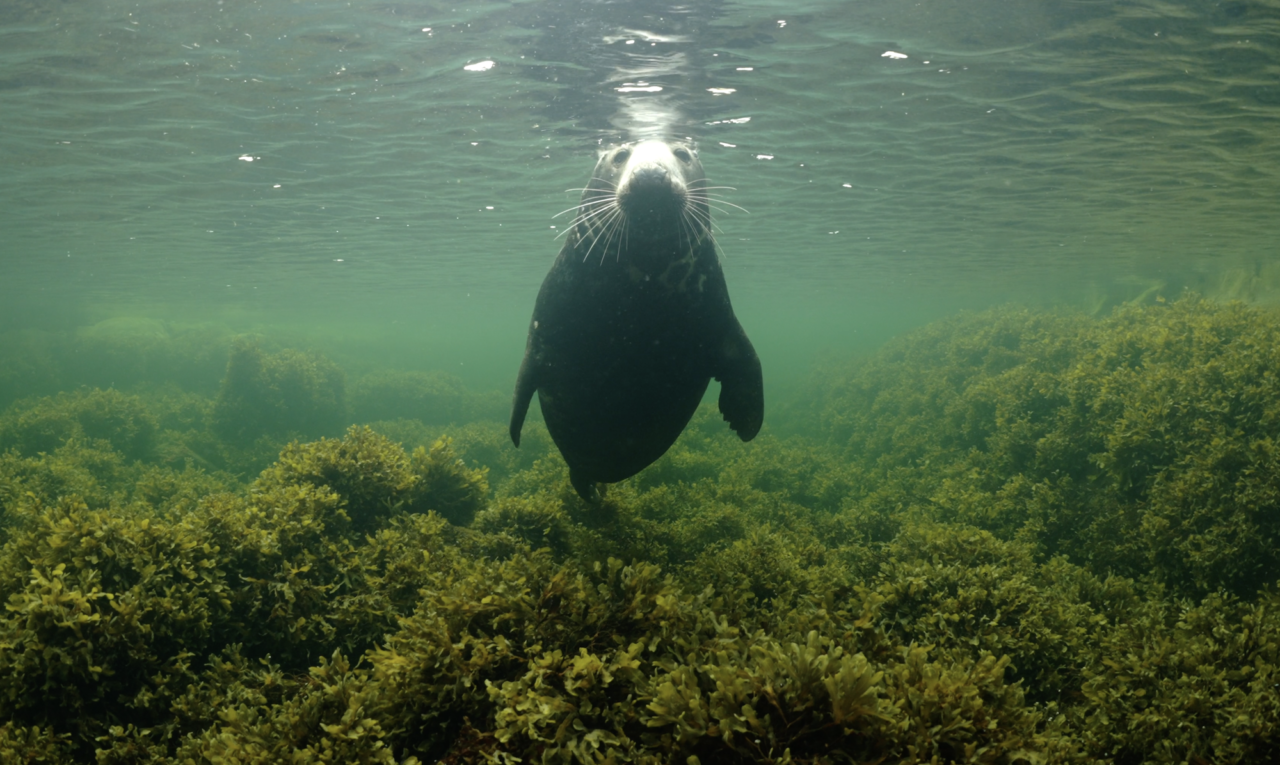
Join Johan Candert for a dive into 'The Secret Life of the Seal' and the challenges of nature filmmaking.
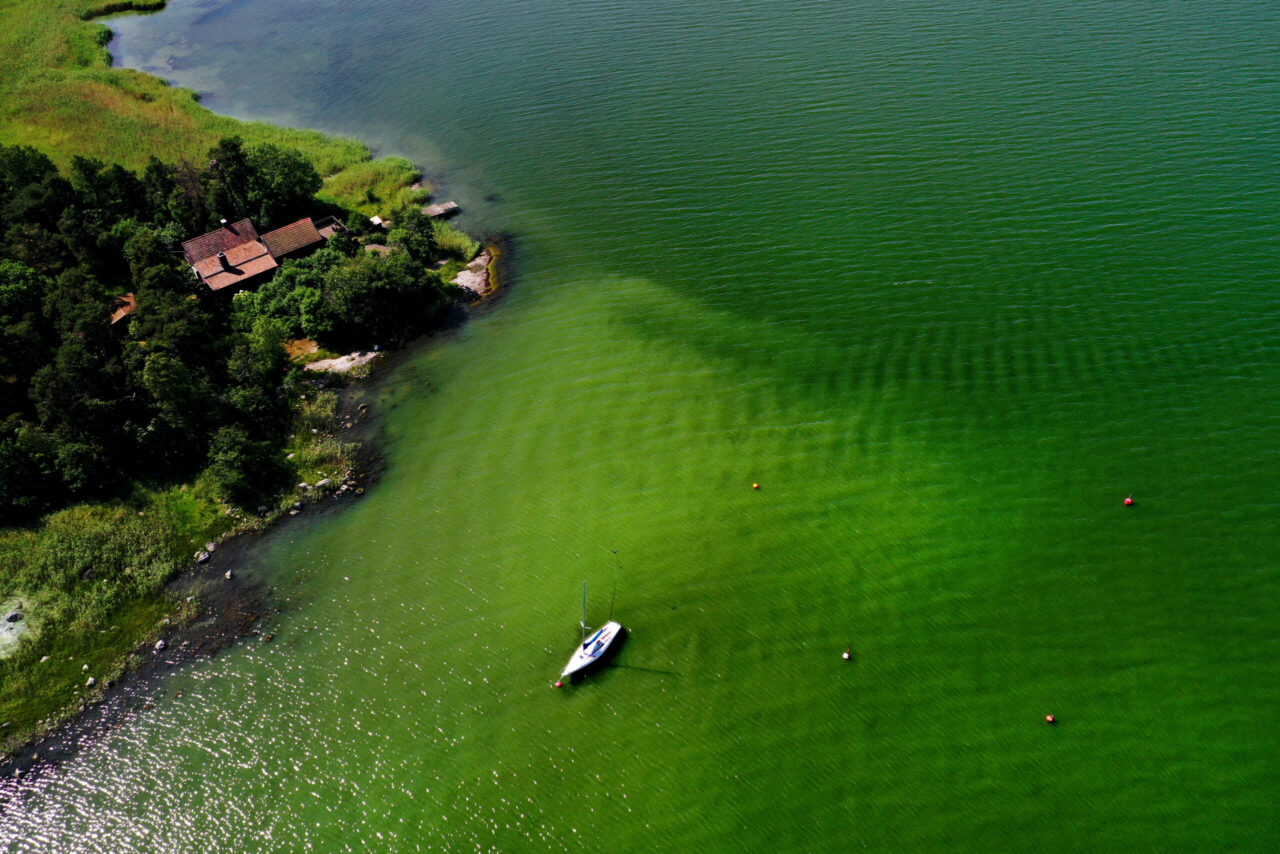
The Center Party wants to invest SEK 725 million over the next three years to reduce eutrophication of the Baltic Sea
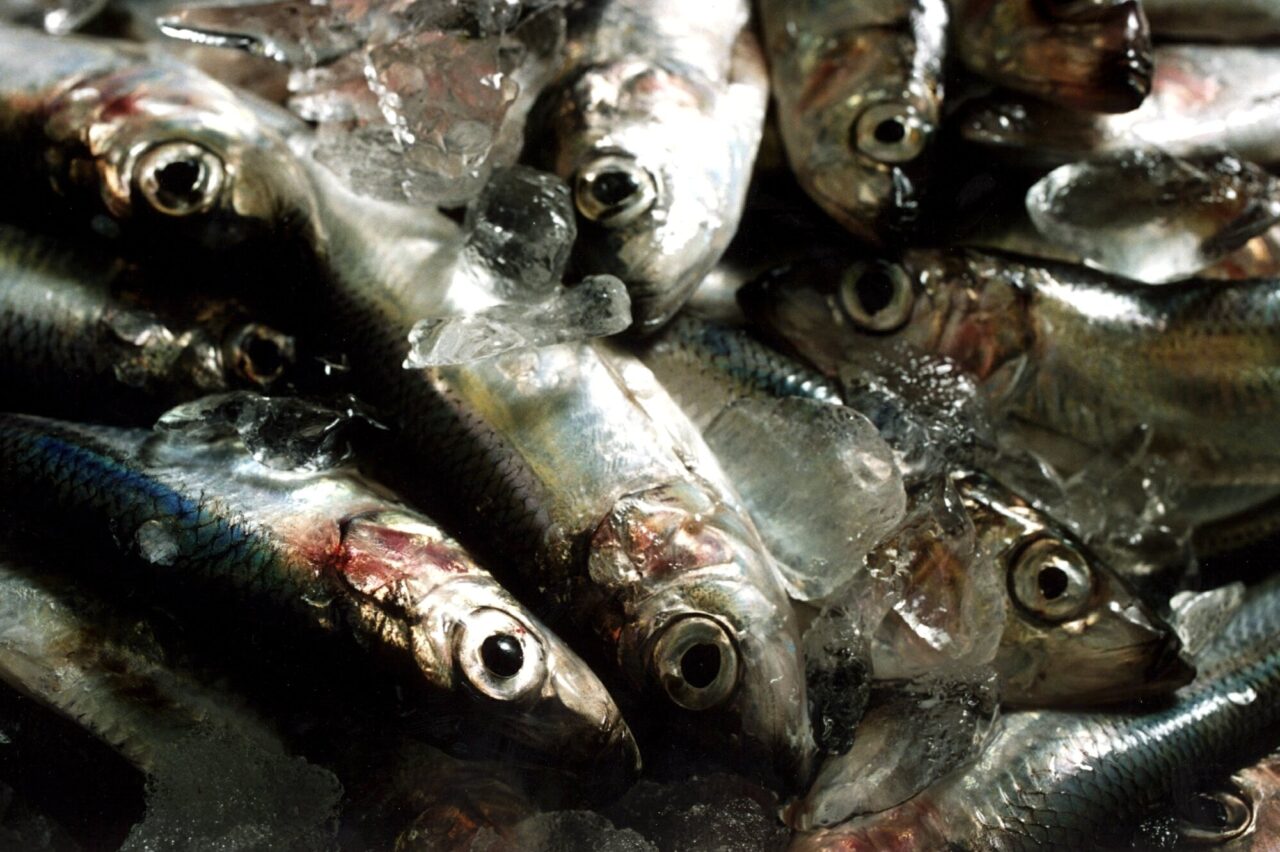
Small-scale coastal fishermen in the Baltic Sea have been warning for many years that the availability of herring and herring is declining. The Swedish Agency for Marine and Water Management also sees the same development, reports Swedish Radio's Ekot
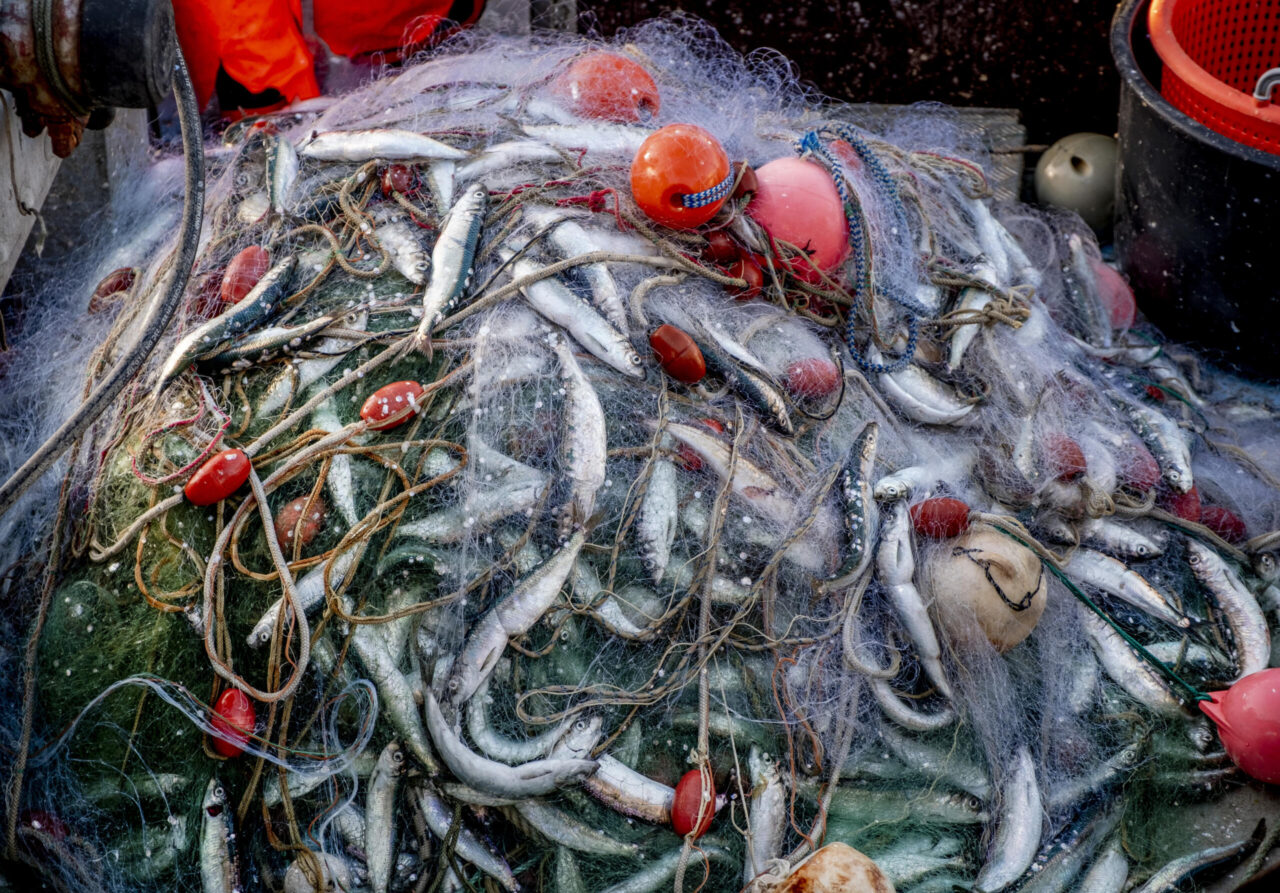
The Green Party wants to see an immediate end to all industrial trawling in the Baltic Sea. At the same time, the entire maritime area should be protected. We have an acute crisis that requires urgent crisis response, says spokesman Per Bolund
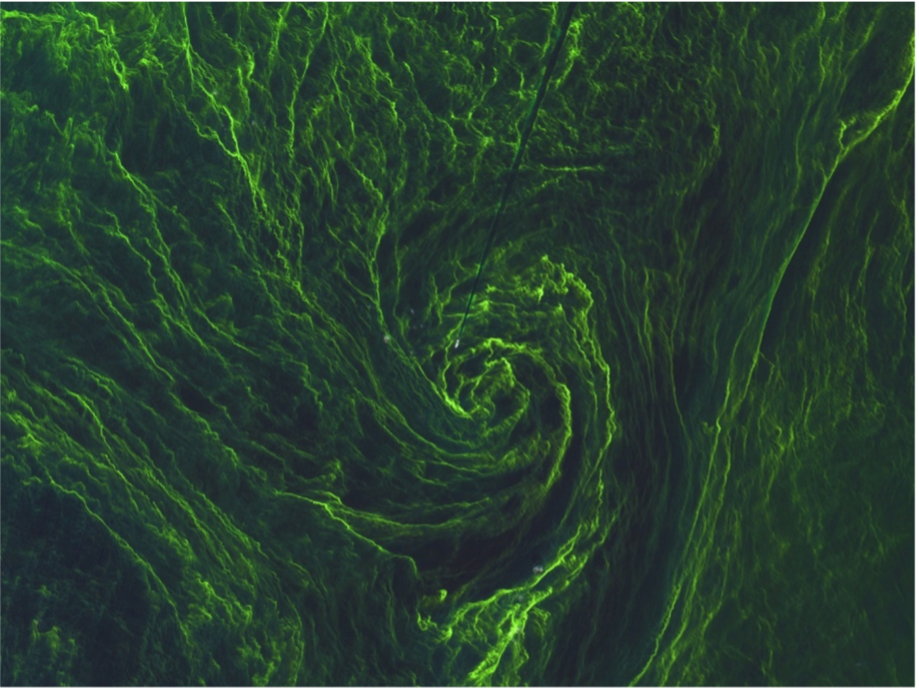
The algae are in full bloom and they are expected to increase the warmer the climate we get. Now researchers will develop a service that can predict where and when the toxic blooms will occur
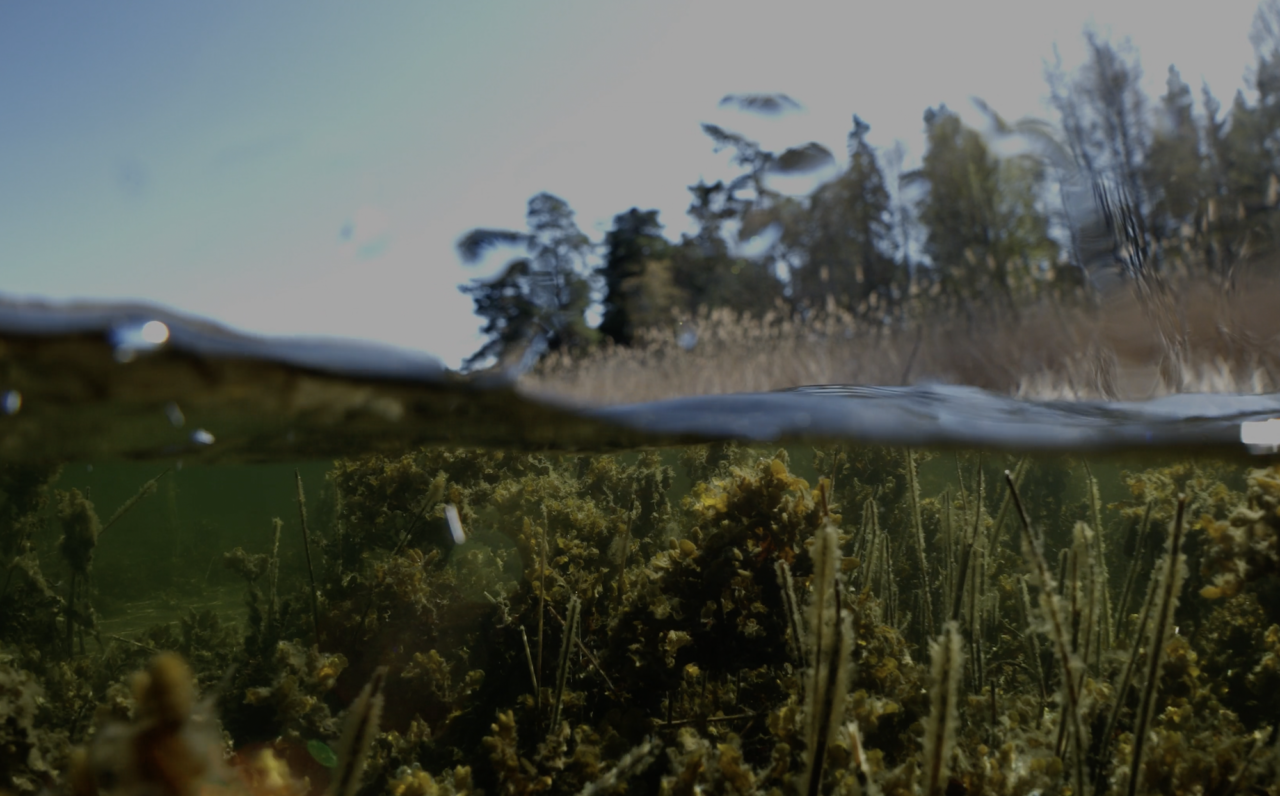
Three experienced filmmakers with underwater cameras and diving equipment are on the hunt to capture spawning pike on camera. The water in the bay they are filming in is clear and the day is sunny, and there are certainly pike spawning in the reeds. Although they are fewer than they have ever been before and they are not easy to capture on camera
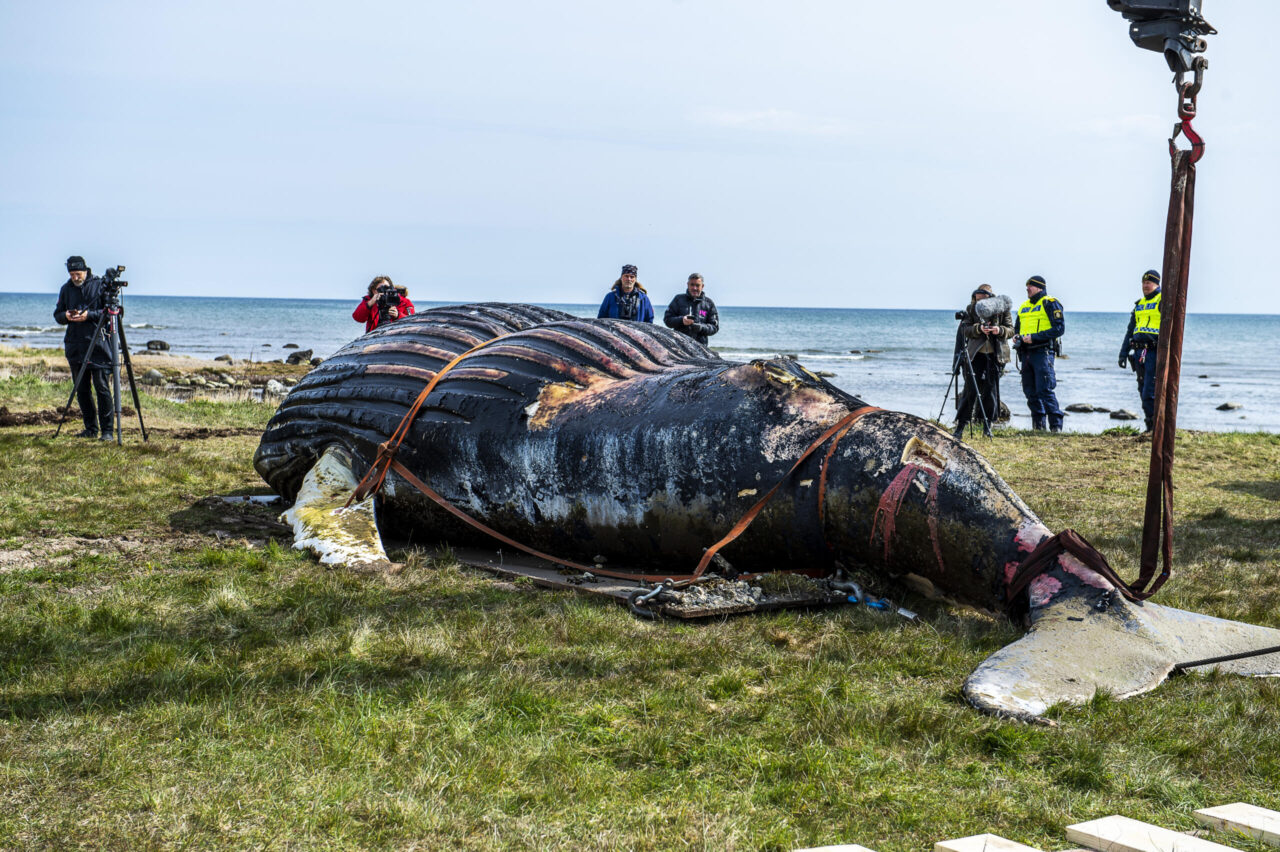
62 dead seals, porpoises and whales were examined last year by the National Veterinary Institute (SVA). Among them were a humpback whale from the Baltic Sea and a small porpoise found west of Öland – two very unusual events
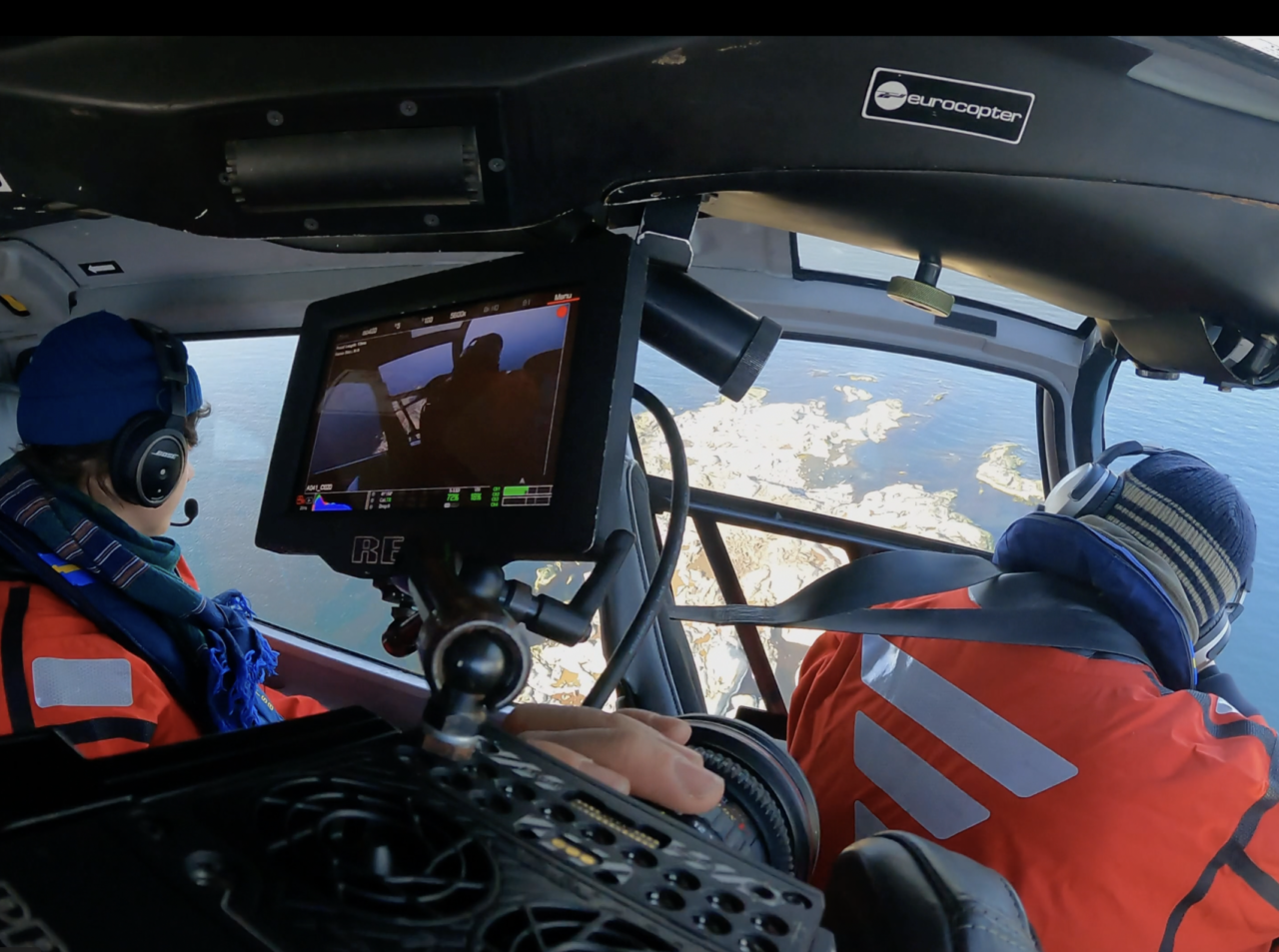
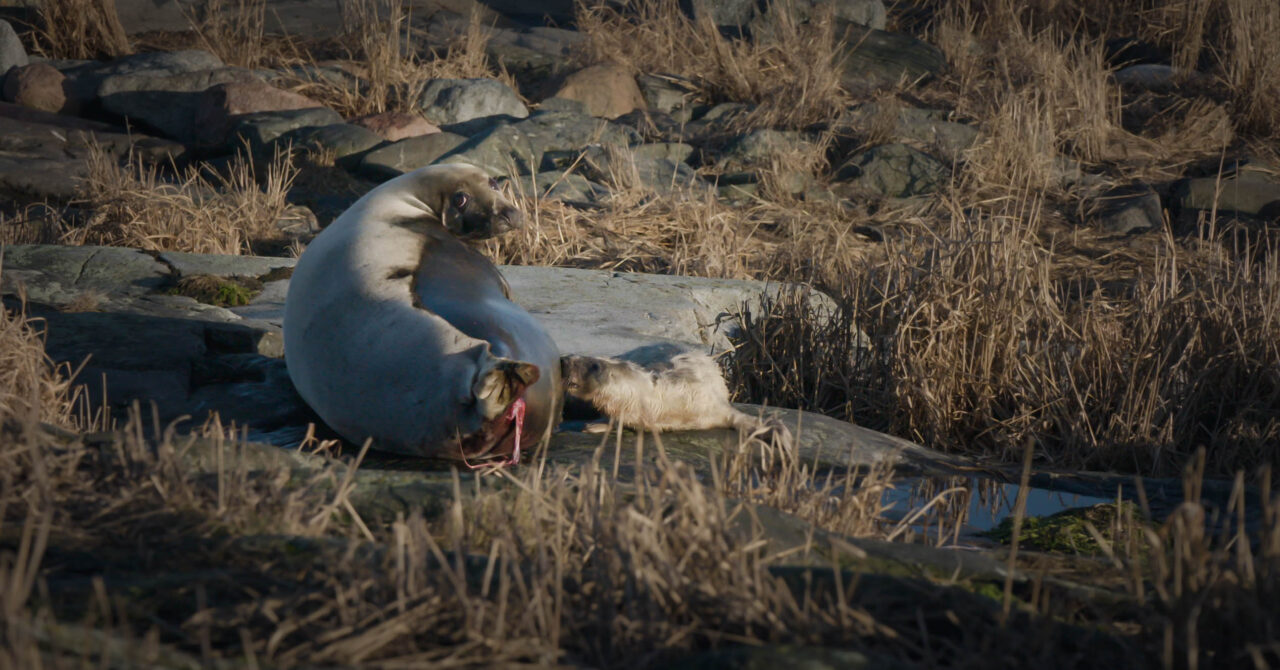
I have been invited to accompany Anja Carlsson and Markus Ahola of the Swedish Museum of Natural History on their annual seal pup survey. When we spot the distinctive white of newborn seals we fly in closer, Markus photographs, Anja records coordinates and observations and I film. The still images are a resource that will enable the researchers to count the number of seal pups born this year and to analyse their distribution

For the first time this year, both harbor seals and grey seals will be hunted under licence. 730 harbor seals may be felled during two hunting periods, according to the Swedish Environmental Protection Agency
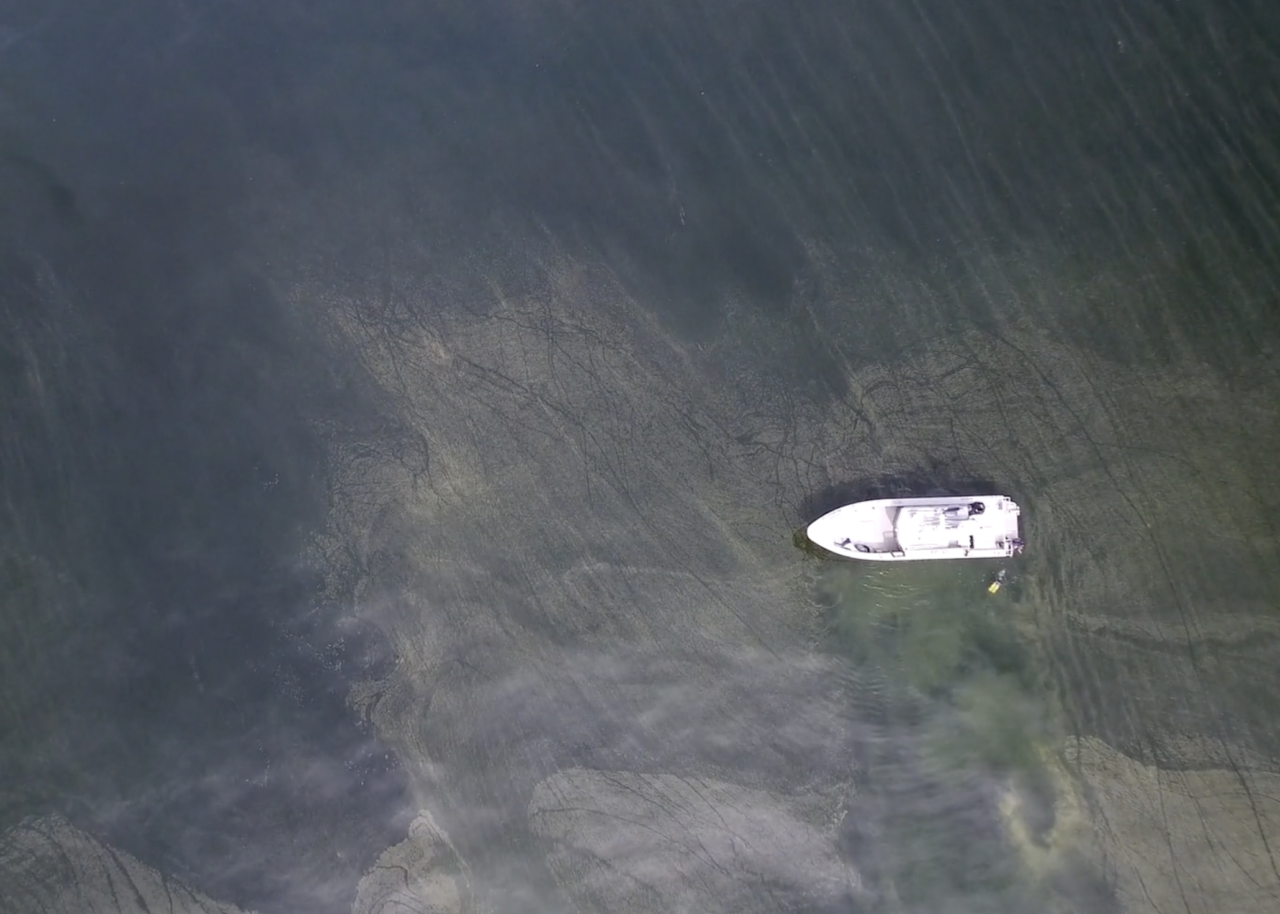
Study reveals Baltic Sea eutrophication persists despite action plans. Effective policies and cross-country support are essential for saving the sea
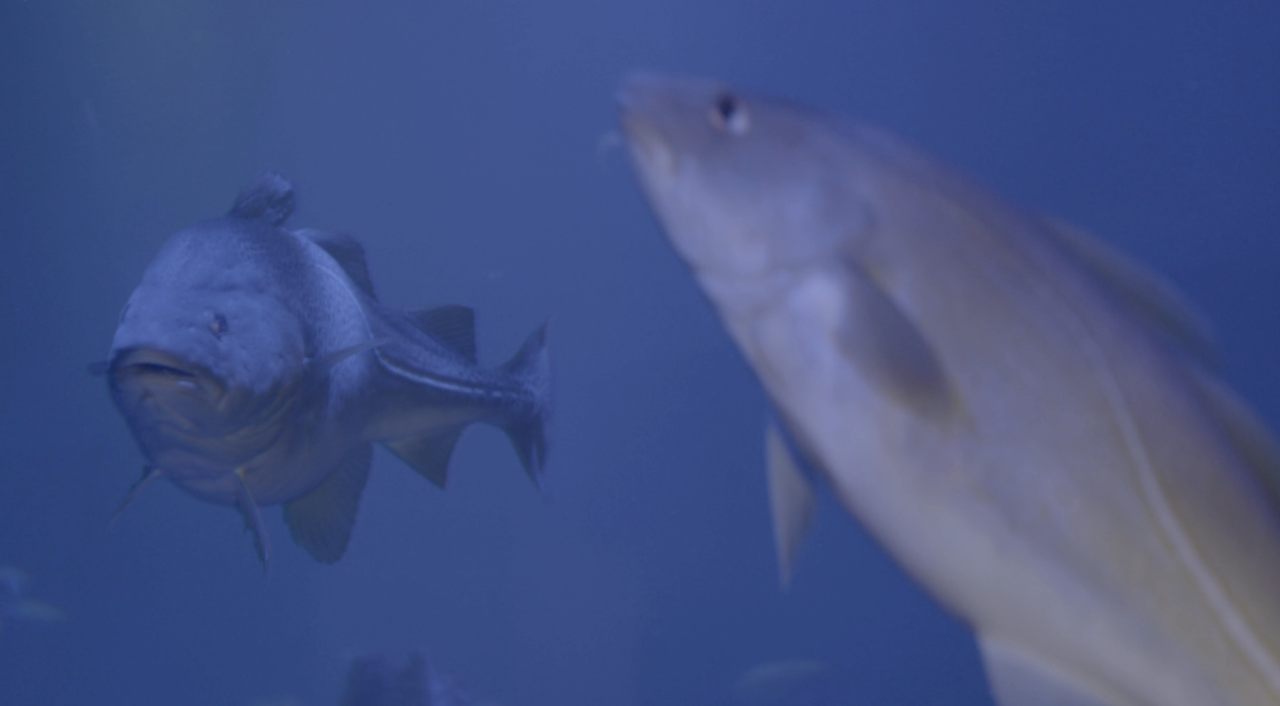
Cod is one of the most important fish species in the Baltic Sea, but it is not doing well! Large areas of low-oxygen bottoms, decades of overfishing and failed management mean that the Baltic Sea cod stock is now facing an acute situation. In fact, it is not so certain that there will be any cod at all here in the future