Scientists and government agencies are closely monitoring developments in the Pacific Ocean. A new El Niño could lead to sharply rising temperatures and global heat records in the coming year.

An Indonesian study has now revealed the previously unknown migratory patterns of whale sharks in the world’s oceans. These giant fish are found in the waters of 13 countries, but have two bays in Indonesia “that are like home to them.”

Ninety-nine percent of virgin plastic is made from chemicals sourced from fossil fuels, exceeding 400 million tons a year. That’s equivalent to about 350 large sports stadiums, filled to the top with plastic. According to the Organisation for Economic Co-operation and Development (OECD), the plastics and petrochemical industries plan to triple plastics production by 2060.

Using AI technology, researchers have been able to track ocean currents that were previously hidden and that reveal movements that shape the Earth’s climate.

New research shows that larger warm-blooded fish species, such as sharks and tuna—known as mesotherms—are at risk of overheating as sea temperatures rise.

Cocaine contaminants in water affect salmon behavior, according to a new study from SLU (Swedish University of Agrarian Sciences). Salmon that had ingested cocaine swam more and spread out over larger areas.

In February 2026, historically low water levels were recorded in the Baltic Sea, in some places, the lowest in almost 100 years. This was mainly due to a stable high-pressure system and strong easterly winds over Scandinavia, which pushed water out of the Baltic Sea. There was hope that fresh, oxygen-rich and salty water would flow in from the North Sea to the heavily tested inland sea and its oxygen-depleted seabed – but that did not happen. Find out why in the news report.

Penguins in Argentine Patagonia can act as environmental monitors. In this way, researchers have discovered that PFAS – so-called ‘forever chemicals’ – are present even in this remote region.

From drones and smart cameras to biodegradable packaging, EU-funded researchers are working to remove plastic from rivers before it ever reaches the sea.

Sharks off the coast of the Bahamas have tested positive for caffeine, painkillers and even cocaine, according to a new study.

Few would say there is anything beautiful about an oil platform far out at sea. But if you dive beneath the surface, the picture is often quite different. Reefs may have formed around the platform’s foundations, teeming with soft corals, fish and other marine life. In 2018, two marine biologists from California, Amber Sparks and Emily Hazelwood, founded the Blue Latitudes Foundation to save these soft coral reefs.

Everything points in the wrong direction. Never before has the Earth’s climate been so out of balance, warns the World Meteorological Organisation (WMO).

The oldest recording of whale song to date has been discovered. This could open up new avenues of research into changes in whale behaviour, reports The Guardian.

The search for sites in Sweden where carbon dioxide can be stored beneath the seabed has been underway for three years. Two potential sites have now been identified. ‘We've received some excellent samples and the results so far are very promising,’ says Sofie Lindström of the Geological Survey of Sweden (SGU).

The average sea level is 30 cm higher than previously thought. In some places, such as Southeast Asia, it is even higher, up to one and a half metres. New research has shown that previous calculations of sea levels were based on incorrect models that gave misleading results.

Edy Setyawan, PhD in manta rays, grew up in a small mountain village in Java. Today, he stands among the world’s leading researchers on manta rays and sharks. He has published a remarkable body of scientific work, co-founded an Indonesian-led NGO dedicated to elasmobranch conservation, and was the first to conclusively identify a manta ray nursery habitat in Wayag, Raja Ampat – along with multiple other potential nursery locations throughout Raja Ampat.
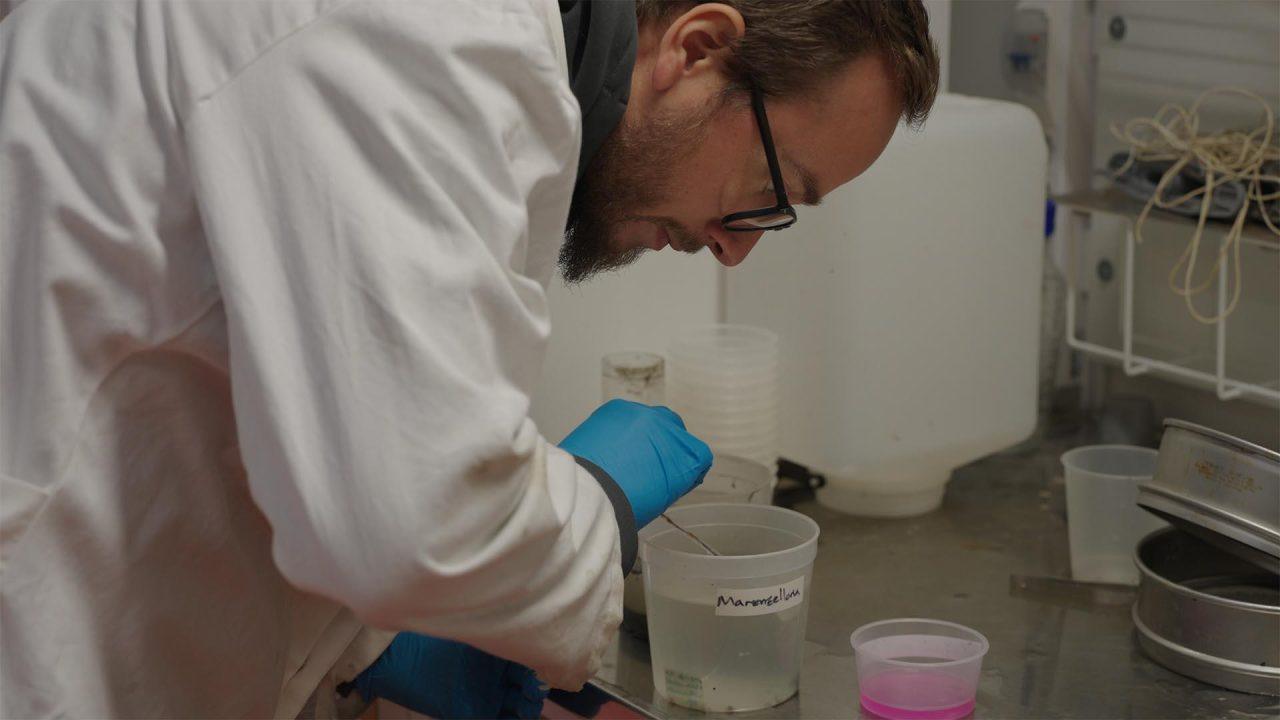
A Swedish company has been authorised to investigate the possibility of extracting mineral nodules from the seabed in the Gulf of Bothnia. They are said to be important for the green transition. Researchers will now provide answers to how the extraction would affect the organisms living at the bottom of the sea.
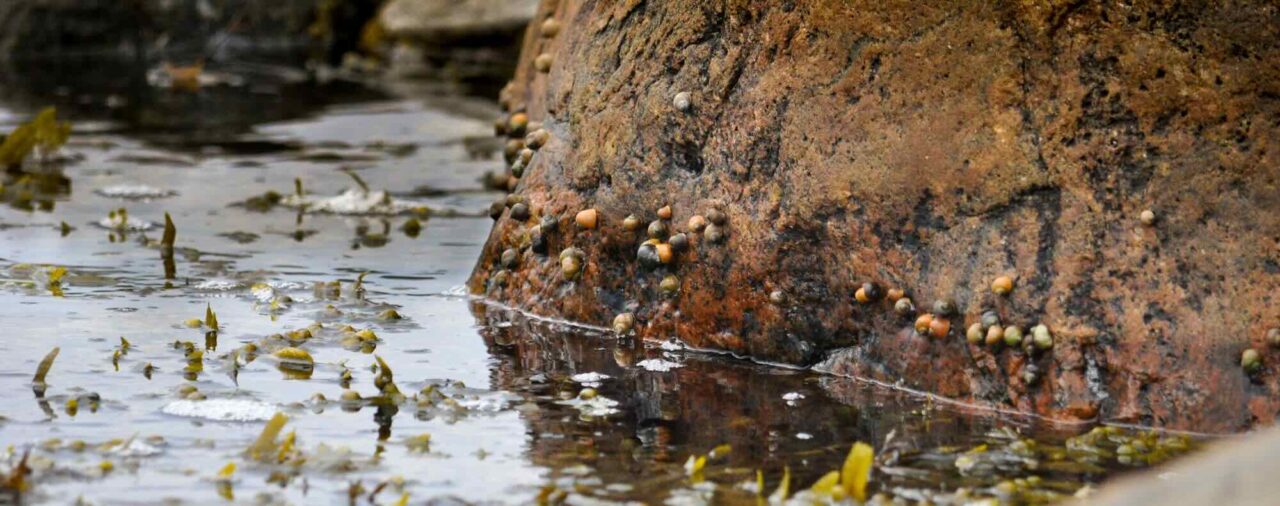
From big and scared to small and brave - evolution has moved at lightning speed on a small island in the Koster Sea on the West coast of Sweden. The beach snail's rapid adaptation after a forced change of environment amazes researchers. In 30 years, it has changed both its appearance and behavior to survive.
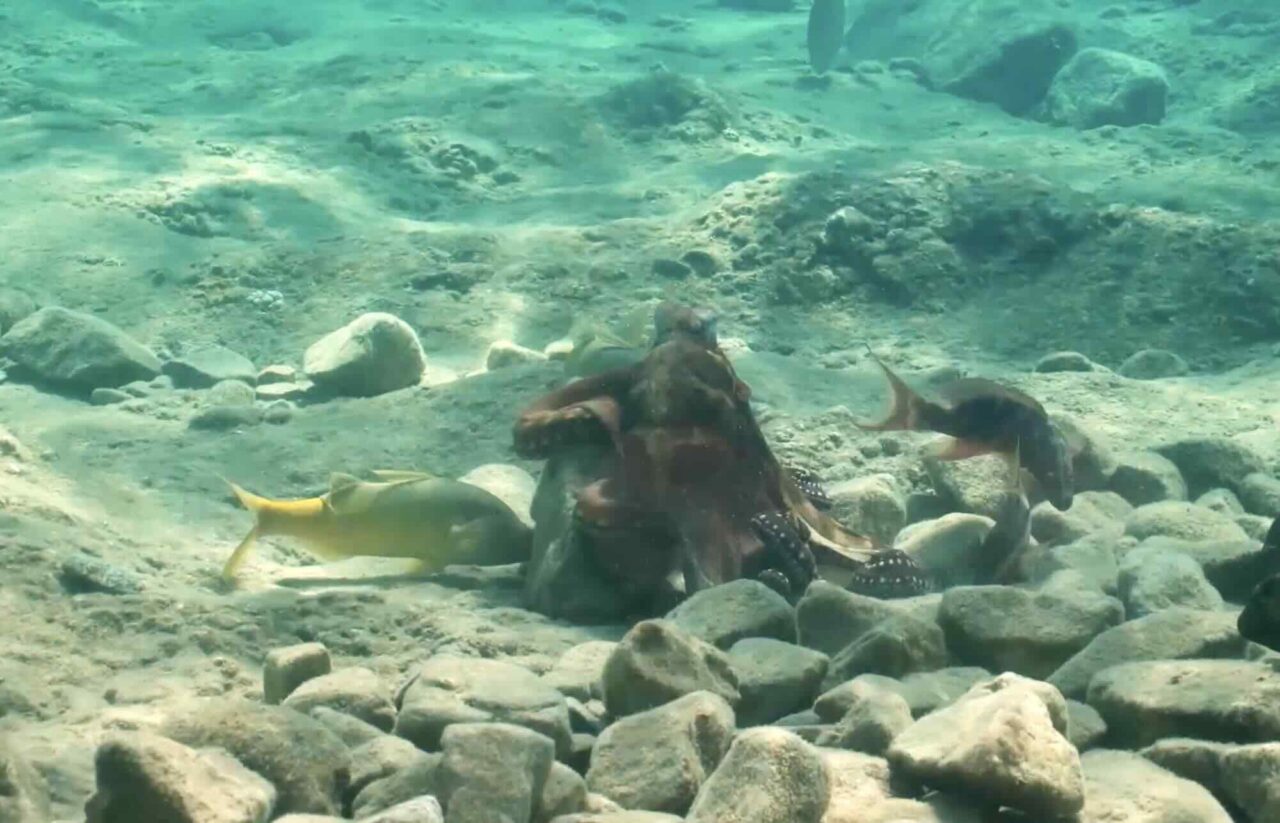
Fish act as a kind of guide, finding the prey and ‘pointing out’ the location to the octopus, which can use its flexible arms to catch the hidden prey.
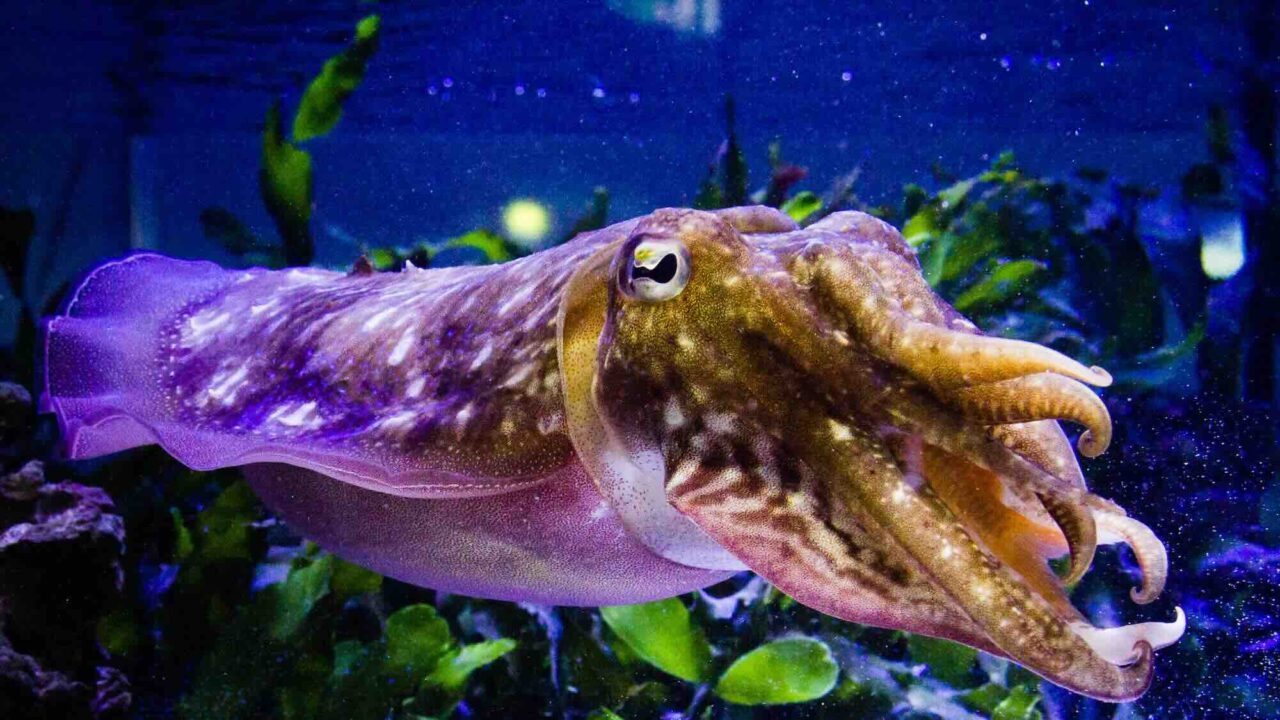
Sometimes we remember events completely wrong when our brain creates so-called false memories. A study shows that false memories also occur in some octopuses.
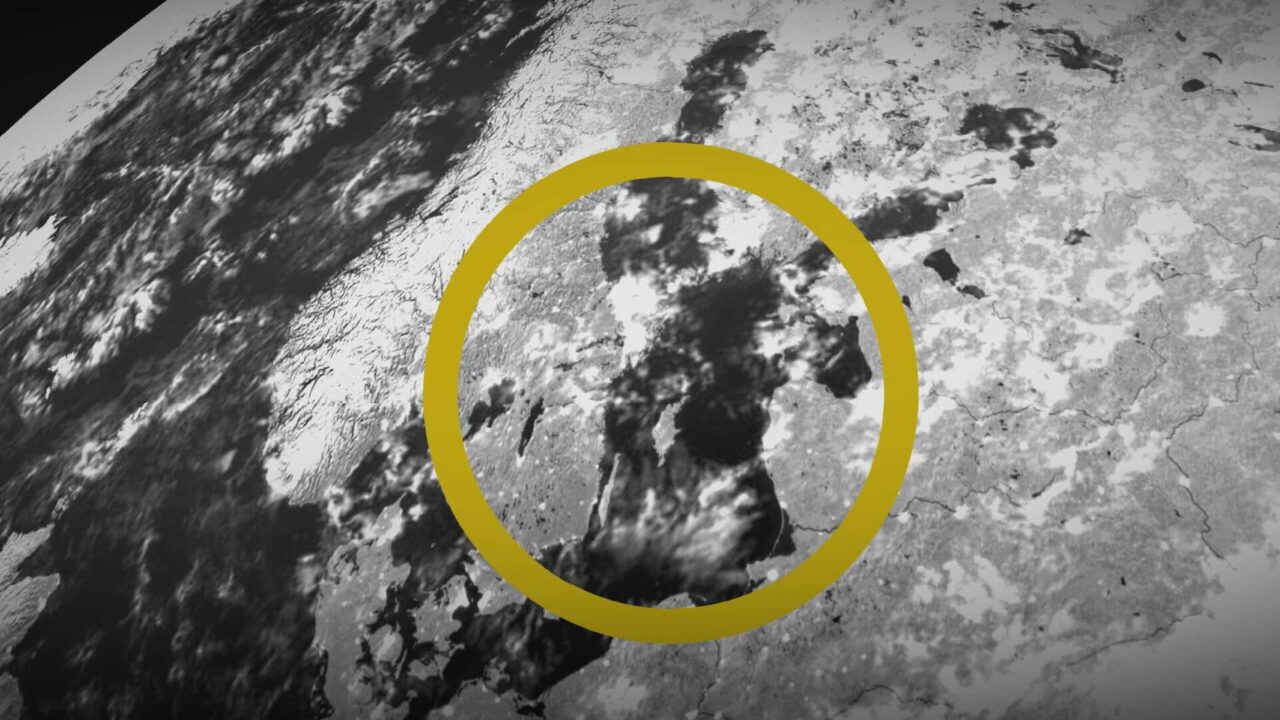
NASA has identified several hundred marine dead zones around the world. A dead zone is an area in the ocean where the oxygen level is too low for marine life to survive. Some of them occur naturally, but most of them are man-made. Seven out of the world's ten largest dead zones are in the Baltic Sea. The biggest dead zone in the Baltic Sea is almost the size of Ireland.
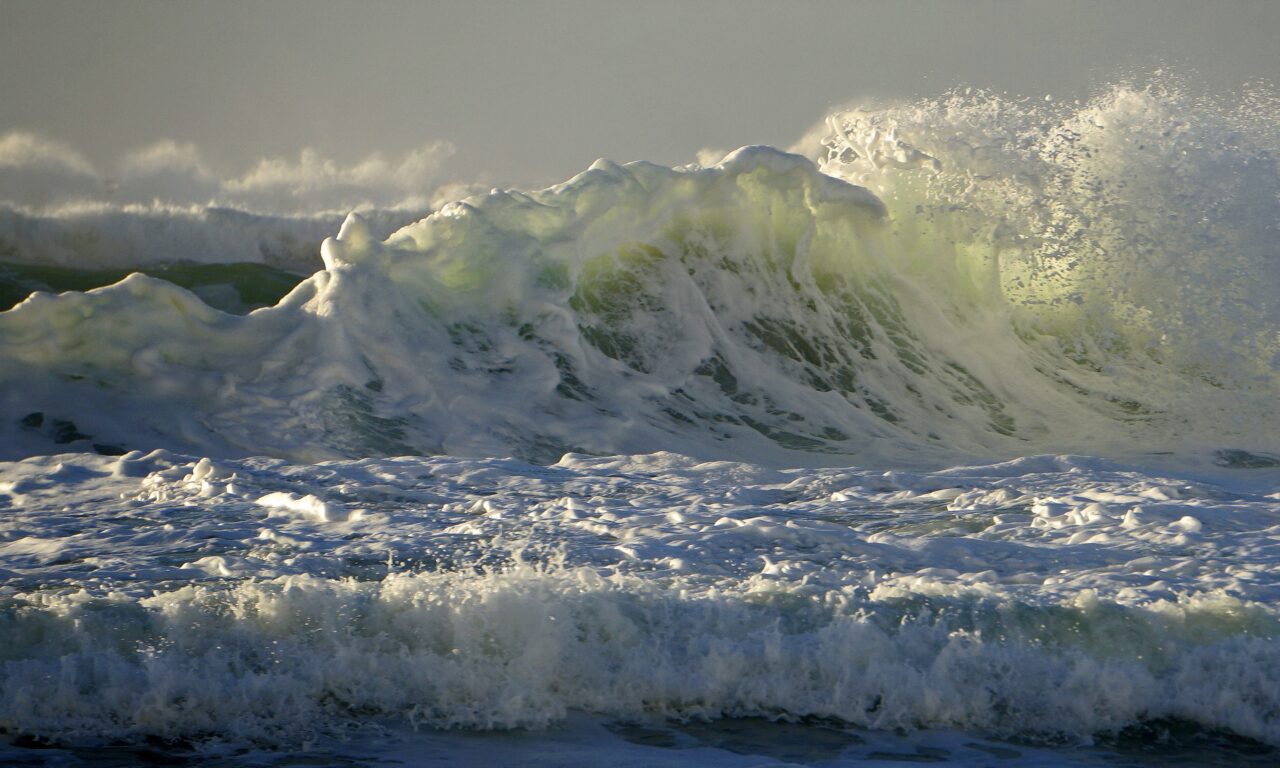
The EU's and Sweden's marine policy has for several decades led to overfished seas. Several ocean areas are on the brink of an ecological disaster. Climate change, warming and eutrophication are the result of human activities, which are dramatically changing our oceans.
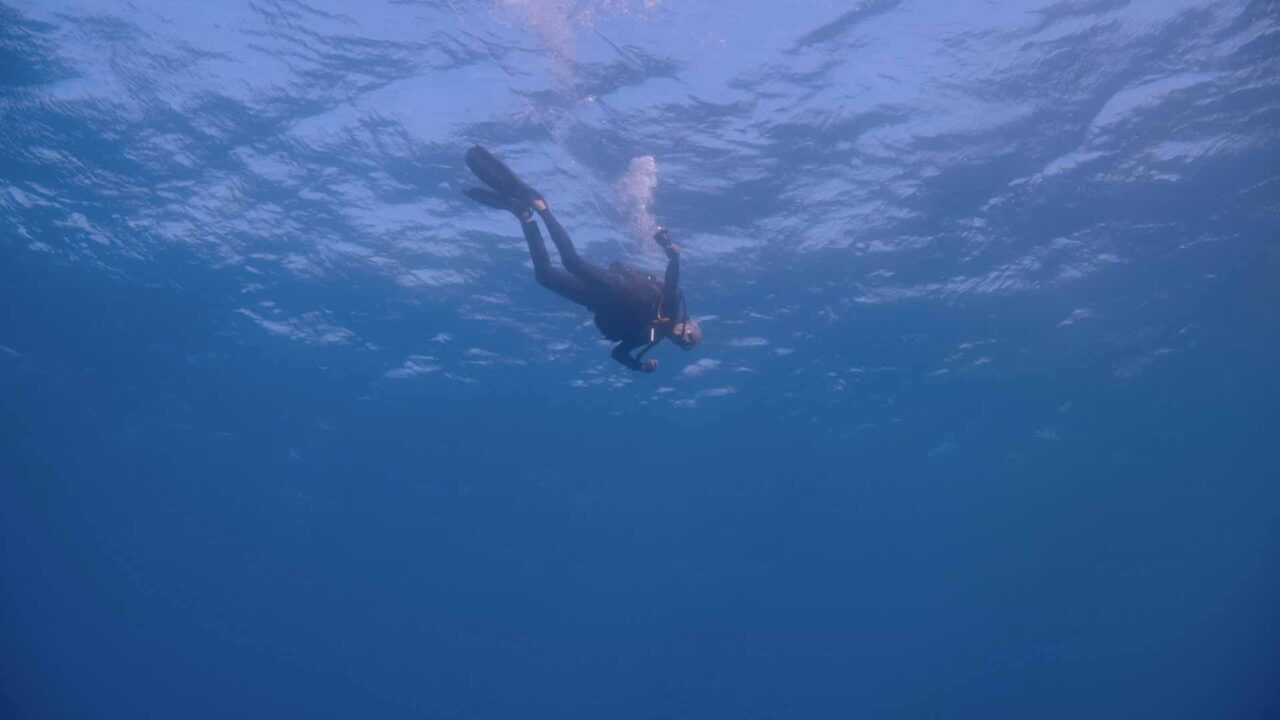
Across the world scientists and biologists are studying a huge variety of dedicated and intricate subjects: jellyfish proteins; fish intelligence and whether octopus dream. On the other side of the coin are the naturalists
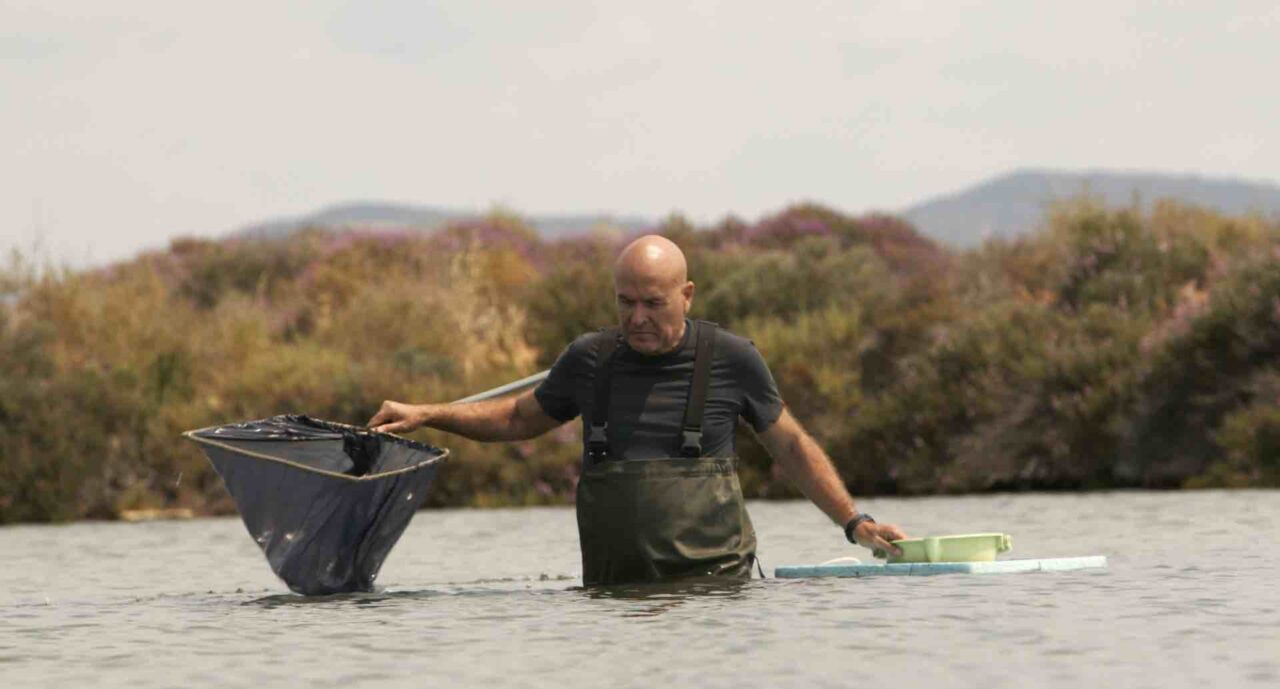
The population of seahorses in Ria Formosa in southern Portugal was probably the largest in the world. But in the mid-2010s, it collapsed, and 95% of the seahorses disappeared. Climate change, poachers, and environmental pollutants are believed to be the causes.